Introduction
The landscape of Australian aged care is undergoing its most significant evolution in decades. With the implementation of the strengthened Aged Care Quality Standards, the spotlight has turned directly onto what is served on the plates of older Australians. At the heart of this transformation is a dedicated focus on food and nutrition, officially formalised under Standard 6.
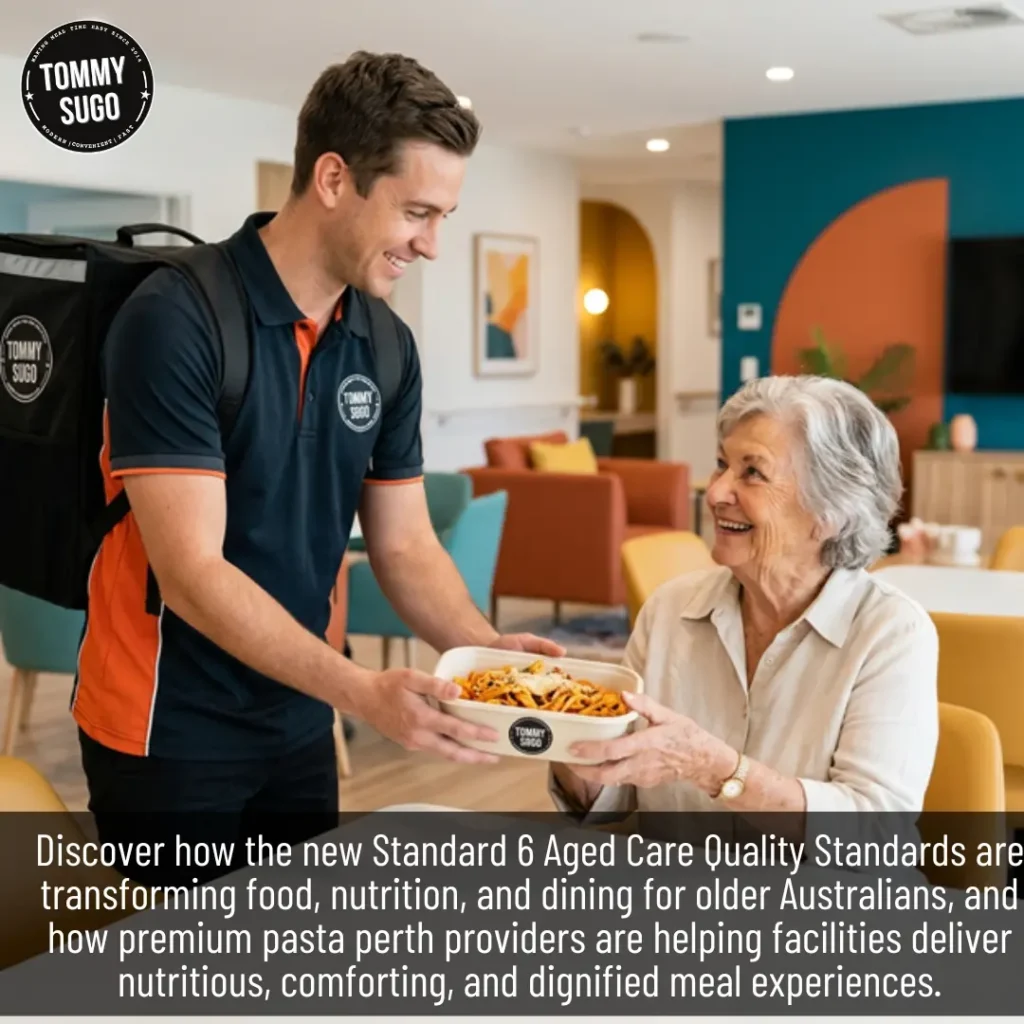
For years, food in care facilities was occasionally treated as an operational afterthought- a logistical challenge of mass catering balanced against tight budgets. The new framework entirely flips this script. It recognises that dining is not merely a clinical delivery system for calories; it is a fundamental pillar of health, mental well-being, identity, and daily joy. As care providers across Western Australia scramble to overhaul their kitchen operations and source ingredients that comply with these rigorous guidelines, the local food service sector is stepping up. Interestingly, traditional comfort foods are emerging as a secret weapon in meeting these high benchmarks, prompting many operators to rethink how they source staples like pasta Perth businesses rely on for quality and nutrition.
To successfully navigate this new era, facilities must understand exactly what the regulatory changes demand and implement practical, delicious culinary solutions that satisfy both the auditors and, most importantly, the residents.
Understanding Standard 6: The New Benchmarks for Aged Care Dining
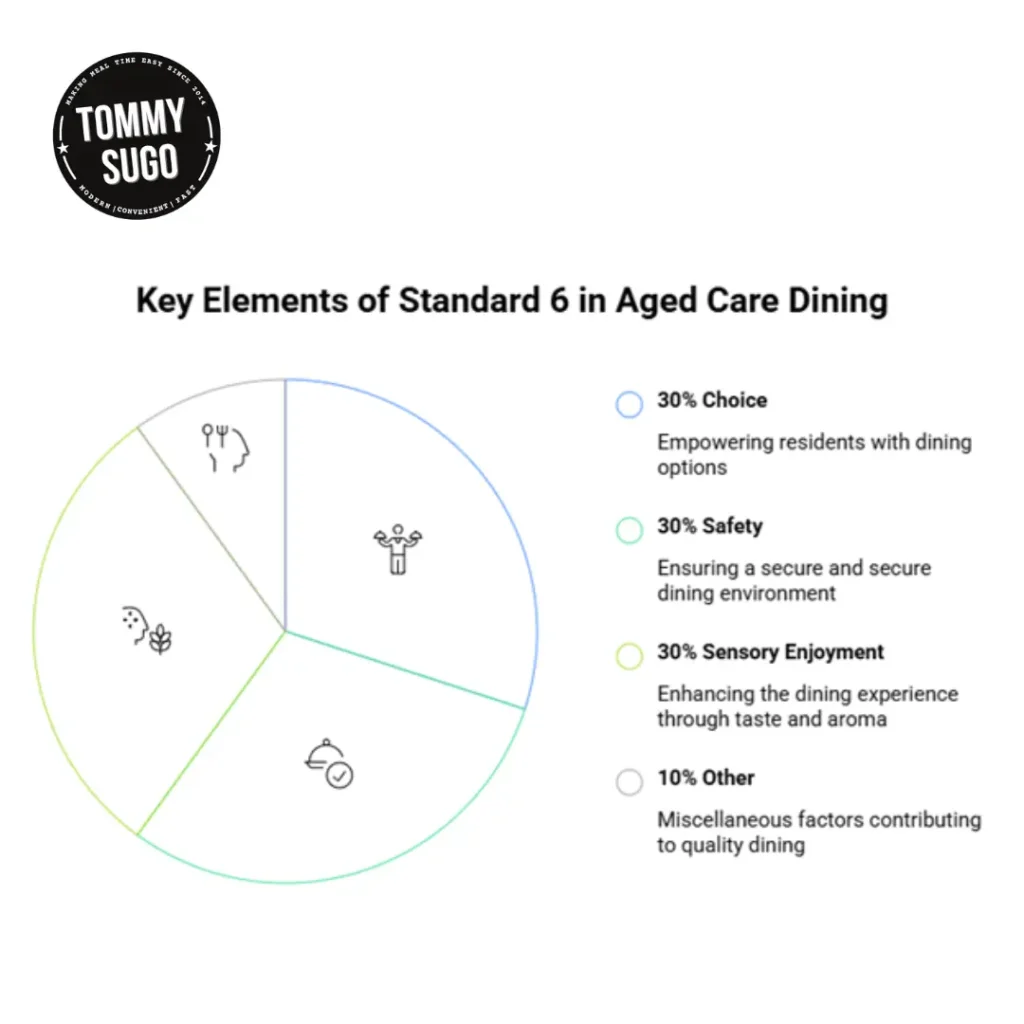
The introduction of Standard 6 marks a definitive shift from basic compliance to an experience-led model of care. It forces providers to look at the dining room through the eyes of the resident, ensuring that every meal serves a purpose beyond basic sustenance. The framework is built on three core pillars that collectively raise the bar for food service operations.
Choice and Involvement in Daily Menus
Under the strengthened guidelines, standard rotating menus designed without resident input are a thing of the past. Standard 6 mandates that older Australians must have a genuine say in shaping the menus to match their individual tastes, cultural traditions, and personal needs. This means facilities must offer meaningful variety and flexibility, moving away from rigid meal times and monolithic food choices. Residents have the right to choose what they eat, when they eat, and how their food is presented.
Clinical Nutrition, Safety, and Malnutrition Prevention
Malnutrition has historically been a silent crisis in residential care, with studies indicating that a significant percentage of residents in traditional settings suffer from or are at risk of nutritional deficiencies. Standard 6 targets this vulnerability directly. Meals must be nutrient-dense, visually appealing, and prepared to strict food safety standards.
Regular nutritional audits and proactive screening processes are now required to actively prevent weight loss and muscle wasting. Food must be fortified naturally, ensuring that even those with smaller appetites receive maximum protein, calcium, and fibre in every mouthful.
Cultivating Positive and Dignified Dining Experiences
The physical and social environment in which meals are consumed is now scrutinised just as heavily as the nutritional breakdown of the food itself. Standard 6 requires mealtimes to feel welcoming, dignified, and socially engaging.
This involves creating comfortable, calm dining spaces, offering flexible schedules that cater to late risers, and providing the necessary physical support to help residents maintain their independence while eating. A positive dining experience stimulates appetite, reduces anxiety, and fosters a sense of community within the facility.
Elevating the Plate: Nutritional Fortification and Comfort Foods
Meeting the strict clinical nutrition mandates of Standard 6 without making meals look clinical or unappetising is the ultimate balancing act for aged care chefs. The solution lies in premium culinary engineering: taking familiar, deeply comforting dishes and subtly elevating their nutritional profiles.
The Power of Nutrient-Dense Comfort Food
When appetite wanes due to medication, cognitive decline, or physical frailty, forcing large portions of institutional food onto a resident is counterproductive. Instead, the focus must shift to high-impact, low-volume nutrition. Familiar comfort foods are highly effective because they trigger positive emotional memories and require less sensory effort to accept.
Carbohydrate bases that double as protein vehicles are incredibly valuable in this context. This is precisely why high-quality pasta Perth kitchens source from specialised local producers has become an essential asset in aged care menu planning. A beautifully prepared bowl of pasta is universally understood, soft and easy to chew, and provides an ideal canvas for nutrient-dense sauces, rich ragus, and protein-packed cheese elements.
Smart Culinary Solutions for Texture-Modified Diets
For residents suffering from dysphagia (swallowing difficulties), traditional texture-modified diets- such as pureed or minced foods- have historically been uninspiring, often leading to meal skipping and subsequent malnutrition. Standard 6 demands that modified meals retain their visual appeal, aroma, and distinct flavours.
Instead of relying on heavily processed thickening agents or bland powder mixes, progressive aged care kitchens are using premium, naturally stable bases. For instance, utilising slow-cooked Italian tomato reductions, smooth vegetable purees enriched with extra virgin olive oil, and finely minced slow-braised meats allows chefs to coat soft foods perfectly. This ensures that a modified dish looks and tastes like a gourmet meal, preserving the resident’s dignity and desire to eat.
Practical Steps for Implementation and Compliance
Transitioning an entire food service operation to meet the new Standard 6 benchmarks requires a structured, practical approach. Facilities cannot rely on guesswork; they need to systematically audit their current practices and build partnerships with reliable supply chains.
1. Conduct Resident-Led Menu Audits
The first step toward compliance is establishing formal feedback loops. Food committees, interactive tasting sessions, and regular surveys should be implemented to allow residents to dictate menu directions. If a community has a strong Italian, Mediterranean, or Asian heritage, the menu must accurately reflect those authentic flavour profiles rather than offering generic substitutes.
2. Form Strategic Partnerships with Local Producers
Relying on massive, national frozen food distributors makes it incredibly difficult to pivot quickly or maintain artisanal quality. Aged care operators are finding immense value in partnering with local Western Australian food businesses. Sourcing fresh, locally made components guarantees a higher natural nutrient retention rate, supports the local economy, and ensures a reliable supply chain. Whether it is sourcing fresh produce from the Swan Valley or securing premium, easy-to-prepare pasta that Perth suppliers manufacture locally, these partnerships lift the baseline quality of the kitchen overnight.
3. Upskill Kitchen and Care Staff
Compliance is a team effort. Kitchen staff must be thoroughly educated on allergen management, correct texture-modification techniques, and natural fortification strategies. Simultaneously, front-of-house care staff must be trained to recognise early signs of malnutrition, manage mealtime agitation in dementia wards, and present plates in a way that encourages independent eating.
Conclusion
The transformation brought about by Standard 6 is an incredible opportunity to redefine the quality of life for older Australians. By placing choice, safety, and sensory enjoyment at the centre of the plate, the aged care sector is moving toward a future where dining is a highlight of the day.
Achieving this standard does not require overly complicated, experimental menus. It requires a return to honest, high-quality, and nutrient-rich cooking. By leveraging the universal appeal of comfort foods and utilising premium local ingredients- like the fresh pasta Perth operators trust for consistency and flavour- aged care providers can easily bridge the gap between regulatory compliance and genuine culinary joy.
Also Read: The Best Caterers in Perth You Need to Know for Your Next Get-Together
Frequently Asked Questions (FAQs)
What exactly is Standard 6 in Australian aged care?
Standard 6 is a dedicated component of the strengthened Aged Care Quality Standards in Australia. It focuses entirely on food, nutrition, and the overall dining experience, ensuring that older Australians receive nutritious, safe, and appealing meals that align with their personal choices and cultural backgrounds.
When did the new Standard 6 guidelines come into effect?
The strengthened Aged Care Quality Standards, including the updated food and dining regulations under Standard 6, officially came into effect from November 2025 across Australia.
How does Standard 6 prevent malnutrition in care facilities?
Standard 6 requires facilities to proactively monitor resident nutrition, design menus that are naturally rich in essential nutrients, and conduct regular checks. It shifts the focus toward providing nutrient-dense, appealing meals to ensure residents consume adequate protein, fibre, and calories.
What role does resident choice play under the new standards?
Resident choice is a core priority of the new framework. Facilities must involve residents in menu planning, offer a variety of options that cater to personal preferences and cultural traditions, and provide flexibility regarding meal times and dining locations.
Why is comfort food considered effective for aged care menus?
Comfort foods are deeply familiar and emotionally reassuring to older individuals. They reduce sensory resistance, are often easier to consume, and can be naturally fortified with proteins and fats to deliver high nutritional value to residents with small appetites.
How can facilities improve texture-modified diets for dysphagia patients?
Facilities can improve these diets by moving away from industrial visual substitutes and instead focusing on real food enrichment. Using smooth, flavorful sauces, natural purees, and shaping foods attractively ensures that minced or pureed meals look appetising and taste delicious.
Why should aged care facilities source food from local Perth suppliers?
Partnering with local suppliers ensures that ingredients are fresh, nutrient-dense, and delivered consistently. Sourcing items like premium fresh pasta Perth businesses produce allows chefs to easily create high-quality, comforting meals that meet strict standards.
What constitutes a “positive dining experience” under Standard 6?
A positive dining experience involves a welcoming physical environment, calm and comfortable dining rooms, appropriate social interaction, flexible schedules, and targeted physical support that promotes independence during mealtimes.
How can kitchen staff naturally fortify meals without changing the volume?
Chefs can naturally fortify meals by enriching base components with high-protein and high-calcium ingredients. Examples include using enriched milk blends in sauces, incorporating pureed legumes into soups, and adding premium cheeses or eggs to carbohydrate bases like pasta.
Who is responsible for compliance with Standard 6 in a facility?
Compliance is a shared responsibility. While the facility’s management and food service operators are legally responsible for menu design and food safety, the clinical care staff and kitchen teams work together daily to ensure standards are met.