Introduction: Your Journey into Authentic Italian Cuisine Pasta
Welcome to the world of truly exceptional Italian cuisine pasta, where every single bite tells a story of tradition, quality, and passion. For us at Tommy Sugo, this is more than just a meal; it is a commitment to upholding the standards of authentic Italian culinary heritage. As Australians based right here in Perth, we understand the challenge of finding genuinely artisanal pasta that doesn’t require a plane ticket to the Italian peninsula. We are dedicated to bridging that gap by crafting and sourcing products that reflect the rich, regional variations of this timeless staple.
Our goal with this comprehensive guide is to share useful insights, offer practical advice, and ultimately help you elevate your dining experience, guiding you towards making informed choices about the pasta you choose for your family. We are not just selling a product; we are inviting you to partake in a genuine expression of italian cuisine pasta.
Key Takeaways for Your Perfect Pasta Experience
- Prioritise Quality Ingredients: The finest italian cuisine pasta begins with superior semolina and fillings.
- Understand Regional Differences: Classic pasta shapes and fillings vary significantly across Italy’s regions.
- Master the Art of Al Dente: Cooking to the perfect texture is crucial for flavour.
- Source Locally and Responsibly: Choose providers committed to sustainable and high-quality production, like us.
The Pillars of Quality Italian Cuisine Pasta Production
At the heart of Tommy Sugo is an unwavering dedication to quality. We believe that to truly appreciate italian cuisine pasta, one must understand the foundational elements that separate the exceptional from the ordinary. Our process is a reflection of time-honoured methods, adapted for the discerning Australian palate.
Selecting Premium Semolina and Fresh Fillings
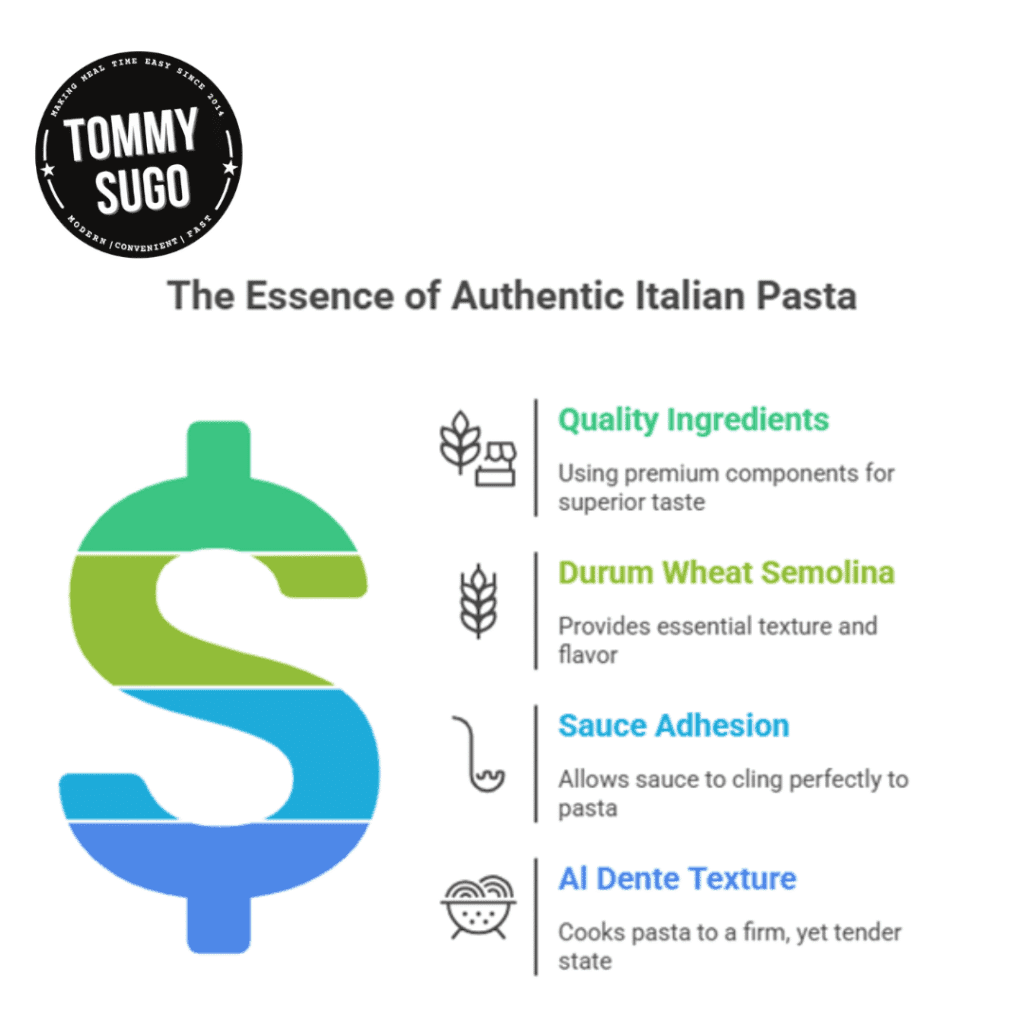
The foundation of any high-quality pasta is the flour. We meticulously select high-grade durum wheat semolina, which is essential for achieving the distinct texture and ability to hold its shape during cooking. For our filled pasta, the difference is in the filling. Our priority is sourcing the freshest local ingredients succulent cuts of meat, vibrant vegetables, and rich cheesesto ensure an explosion of natural flavour in every parcel. This careful selection ensures that the integrity of the classic italian cuisine pasta is maintained.
The Tradition of Bronze Die Extrusion
One element that distinguishes artisanal pasta is the method of extrusion. Traditional italian cuisine pasta makers use bronze dies, which create a rough, porous surface on the pasta. This is not merely an aesthetic choice; the textured surface is crucial because it allows sauces to cling effectively, ensuring a perfectly balanced and flavourful mouthful every time. This commitment to the traditional technique significantly enhances the final dish.
Slow Drying for Optimal Texture and Taste
Unlike mass-produced varieties, our pasta undergoes a process of slow drying at low temperatures. This crucial step is vital for preserving the nutritional value and, more importantly, the flavour profile of the semolina. It is this patience that results in pasta that is robust, maintains its form beautifully, and cooks perfectly al dente, which is the hallmark of true italian cuisine pasta.
Exploring Regional Variations in Italian Cuisine Pasta
Italy is a tapestry of diverse regional cooking styles, and nowhere is this more evident than in its pasta. Understanding these variations helps us appreciate the depth and history of italian cuisine pasta. We are committed to celebrating this diversity, offering our customers a taste of Italy from North to South.
Northern Italy’s Rich, Egg-Based Pastas
In regions like Emilia-Romagna, pasta is often fresh and made with eggs, resulting in a richer, silkier dough. Think of classic shapes like Tagliatelle and the exquisite filled pasta such as Tortellini and Ravioli. These are typically paired with hearty, slow-cooked meat ragùs or rich butter and sage sauces, demonstrating a distinct style of italian cuisine pasta.
The Durum Wheat Staples of Southern Italy
Southern Italy, including regions like Puglia and Sicily, leans heavily on dried pasta made solely from water and durum wheat semolina. Shapes like Orecchiette (little ears) and various forms of macaroni are common. These robust shapes are ideal for pairing with simpler, Mediterranean-style sauces based on fresh tomatoes, olive oil, and seafooda lighter, yet equally profound, style of italian cuisine pasta.
The Art of Stuffed Pasta (Pasta Ripiena)
Filled pasta is a category unto itself, requiring great skill and precision. From our delicate pumpkin ravioli to our rich beef Tortelloni, the filling is always the star. We focus on balancing the thickness of the pasta dough with the intensity of the filling, ensuring that neither overwhelms the other. This complex art is a cornerstone of refined italian cuisine pasta.
Practical Advice: How to Perfect Your Italian Cuisine Pasta at Home
Achieving restaurant-quality pasta at home is entirely possible by following a few simple yet essential techniques. We want every meal you prepare with our products to be a success, so here is our practical guide to mastering the cookery of italian cuisine pasta.
The Essential ‘Al Dente’ Cooking Method
The term al dente literally means “to the tooth.” This refers to pasta that is cooked until it is tender but still offers a firm resistance when bitten. Overcooking pasta is the single greatest mistake. Follow the package instructions, but start tasting a minute or two before the suggested time. Perfectly cooked italian cuisine pasta should never be soft or mushy.
Salting the Water: The Unnegotiable Step
The pasta water is your first opportunity to season the pasta itself. The old adage holds true: your water should “taste like the sea.” Use a generous amount of saltroughly one to two tablespoons for every four litres of water. This is an essential step that infuses flavour into the pasta as it cooks, a non-negotiable step for authentic italian cuisine pasta.
Marrying the Sauce and Pasta
Never drain your pasta completely. Once the pasta is al dente, transfer it directly into the pan with your already-prepared sauce. Crucially, reserve some of the starchy cooking water. Adding a ladleful of this water to the sauce and tossing the pasta in it creates a beautiful emulsion, helping the sauce cling to the pasta and achieving the luxurious consistency that defines great italian cuisine pasta.
The Tommy Sugo Difference: Our Commitment to Perth Diners
As a local Perth business, we take immense pride in providing our community with high-quality, authentic italian cuisine pasta. Our commitment extends beyond the product itself to encompass convenience, sustainability, and unparalleled flavour.
Convenience Without Compromise on Flavour
We understand that modern life in Australia is busy. Our range of premium, frozen pasta and prepared sauces allows you to enjoy a genuine Italian meal in minutes, without sacrificing the quality or taste you expect from authentic italian cuisine pasta. This convenience means more time enjoying the meal and less time in the kitchen.
Sourcing and Craftsmanship You Can Trust
We maintain complete control over our production process, from the selection of raw materials to the final packaging. This transparency means that when you choose Tommy Sugo, you are choosing a product where every ingredient and every step of the creation process is accountable, providing you with peace of mind regarding the authenticity of your italian cuisine pasta.
A Range of Options for Every Dietary Need
We strive to ensure that everyone can experience the joy of exceptional italian cuisine pasta. Our selection includes options for various dietary requirements, including vegetarian and vegan offerings, as well as specialised gluten-friendly alternatives, ensuring no one misses out on a premium meal experience.
The Role of Sauces in Completing Italian Cuisine Pasta
The sauce is not just an addition; it is an integral partner to the pasta. A poorly paired sauce can ruin the experience, while a complementary one elevates the simple dish to a true masterpiece. Understanding this relationship is key to mastering italian cuisine pasta.
Matching Sauce Texture to Pasta Shape
The rule of thumb in Italian cooking is to match delicate sauces (like pesto or oil-based sauces) with long, thin pastas (Spaghetti, Linguine) and rich, thick sauces (like Ragù or substantial cream sauces) with robust, short, or tube-shaped pastas (Penne, Rigatoni) or filled pasta. This ensures that the dish has textural harmony.
The Purity of Simple Tomato-Based Sauces
Sometimes, the simplest approach is the best. A quality Sugo al Pomodoroa classic tomato sauceallows the flavour of the pasta itself to shine. We recommend using the highest quality tomatoes you can find, and adding minimal ingredients: olive oil, garlic, basil, and a pinch of salt. This purity is often the greatest expression of italian cuisine pasta.
Using Fresh Herbs to Brighten the Dish
Fresh herbs are non-negotiable for an authentic finish. Basil for tomato sauces, sage for butter sauces, and parsley for seafood dishes add a layer of complexity and aroma that dried herbs simply cannot replicate. Tossing a generous handful of freshly chopped herbs at the very end of cooking is the final touch for perfect italian cuisine pasta.
Beyond the Plate: The Cultural Significance of Italian Cuisine Pasta
Italian cuisine pasta is more than food; it is a cultural touchstone. It represents family, history, and the comforting ritual of gathering around a table. For us, contributing to this tradition in our own way is an honour and a source of great satisfaction.
Pasta as the Heart of the Italian Family Meal
In Italy, pasta is often served as the primo, or first course, and it is almost always the centre-piece of a family gathering. The preparation and consumption of italian cuisine pasta are shared acts that strengthen community bonds. We aim to bring this same sense of warmth and connection to your home in Perth.
A Celebration of Seasonal and Local Produce
Traditionally, the pasta dish of the day was determined by what ingredients were freshest and most available. This commitment to seasonality remains a core tenet of authentic italian cuisine pasta. By using local Australian produce in our fillings and sauces, we honour this tradition while supporting our own farming community.
The Global Ambassador of Italian Gastronomy
From the bustling streets of Rome to the relaxed shores of Fremantle, italian cuisine pasta has become arguably the most recognised and beloved dish globally. Its universal appeal lies in its versatility and its ability to evoke a feeling of home, no matter where you are. We are proud to be the ambassadors of this taste here in Western Australia.
Conclusion: Sourcing Your Premium Italian Cuisine Pasta in Perth
We hope this exploration has deepened your appreciation for the dedication and tradition that goes into making truly exceptional italian cuisine pasta. For us at Tommy Sugo, our mission is to provide you with a product that is authentic, convenient, and uncompromising in quality. We believe that everyone in Perth deserves to experience the authentic flavours of Italy at their own table.
Whether you are looking for delicate Ravioli, classic Spaghetti, or a hearty Lasagne, we have carefully curated a range that meets the highest standards of Italian tradition. We invite you to make us your local source for all your premium pasta needs. Experience the Tommy Sugo difference today where passion meets the plate.
Take the next step in elevating your dining experience and explore our full range of authentic italian cuisine pasta and prepared meals. Connect with us and view our offerings today at https://tommysugo.com.au/ and place your order Today!
FAQs
What is the most important element for an authentic Italian cuisine pasta dish?
The most critical element is the quality of the ingredients, particularly the durum wheat semolina. It provides the essential texture and flavour, allowing the final dish to hold the sauce perfectly and cook to a superior al dente state. Our commitment is to use the best components for our products.
Why is bronze die extrusion preferred for authentic Italian cuisine pasta?
Bronze dies create a rough, slightly porous surface on the pasta, unlike the smoother surface from Teflon dies. This texture is vital because it allows the sauce to effectively cling to the pasta, ensuring every bite is fully coated and achieving a better overall balance of flavour.
What does ‘al dente’ mean, and why is it important for Italian cuisine pasta?
‘Al dente’ means “to the tooth” and describes pasta that is cooked through but remains firm when bitten. It is crucial because it gives the pasta a superior texture, prevents it from becoming mushy, and importantly, it is better for digestion than overcooked pasta.
Should I rinse my Italian cuisine pasta after cooking?
No, you should never rinse your cooked Italian cuisine pasta, especially if it is being served with a sauce. Rinsing removes the essential starchy surface coating that helps the sauce adhere to the pasta, which is vital for achieving a well-emulsified and authentic dish.
What is the key difference between Northern and Southern Italian cuisine pasta?
Northern Italian pasta is typically fresh, made with eggs, and often comes filled, like Ravioli or Tagliatelle. Southern Italian pasta is traditionally dried, made only with durum wheat semolina and water, and comes in sturdy shapes like Orecchiette, suitable for heartier sauces.
Can I freeze fresh Italian cuisine pasta?
Yes, absolutely. Fresh Italian cuisine pasta can be frozen to preserve its quality and extend its shelf life without significant flavour loss. We prepare our pasta to be perfectly suitable for freezing, allowing you to have a gourmet meal ready at your convenience.
How much salt should I use when boiling pasta water?
You should be quite generous with salt; a standard guideline is about one to two tablespoons of salt for every four litres of water. The pasta absorbs this salt as it cooks, seasoning the actual pasta dough and enhancing the overall flavour of the final Italian cuisine pasta dish.
What is ‘pasta water’ and why should I use it in my sauce?
Pasta water is the starchy, cloudy water leftover after cooking the pasta. Adding a small amount of this water to your sauce helps create a thick, velvety emulsion that binds the sauce to the pasta, giving your Italian cuisine pasta a professional, harmonious texture.
Does Tommy Sugo offer gluten-free Italian cuisine pasta options?
Yes, we are committed to catering to various dietary needs and proudly offer a selection of high-quality gluten-friendly Italian cuisine pasta and meals. This ensures that everyone in Perth can enjoy the rich, authentic flavours we have to offer without compromise.
How should I choose the right sauce for my Italian cuisine pasta shape?
Match the sauce texture to the pasta shape: robust, thick sauces (like Ragù) pair well with heavy, short shapes (Rigatoni) or filled pasta. Lighter, oil-based sauces cling better to long, thin shapes like Spaghetti, enhancing your enjoyment of the Italian cuisine pasta.