
Introduction
NDIS food preparation and delivery is an essential support for many NDIS participants who require assistance to maintain nutritious, safe and independent living. This comprehensive guide explains how NDIS-funded meal delivery and meal preparation services work, what can be paid for under an NDIS plan, how to engage providers, and practical steps to integrate meal delivery services into everyday life. The content focuses on evidence-based, actionable advice and addresses common questions about eligibility, plan management and quality considerations for nutritious meals and food delivery.
Takeaways
- NDIS food preparation and delivery can be funded when disability prevents safe and independent meal preparation.
- Clear evidence and measurable goals in an NDIS plan increase the likelihood of funding for meal delivery services.
- Choose providers that meet food safety standards, are experienced with NDIS participants, and can accommodate dietary needs.
- Plan managers help manage payments and documentation, ensuring compliance with NDIS rules.
- Regular reviews and participant engagement ensure meal delivery remains effective, safe and respectful of preferences.
NDIS Meal Delivery: What NDIS Food Preparation and Delivery Covers
Understanding included services
NDIS food preparation and delivery supports can include home-delivered meals, on-site meal preparation by a support worker, assistance with grocery shopping, and meal planning. Coverage depends on the participant’s assessed needs and their individual NDIS plan.
Core, capacity building and capital distinctions
Meal delivery and meal preparation are typically funded under Core Supports in many plans when they relate to daily living. Some specialised equipment used to support meal preparation may be funded under Capital. Clarifying the category with your planner or plan manager is important to ensure appropriate use of funds.
When is food preparation and delivery reasonable and necessary?
Supports must be reasonable and necessary, contribute to the participant’s goals, and represent value for money. Documentation of functional impairment or risk that prevents independent food preparation will strengthen the case for funding NDIS food preparation and delivery.

Meal delivery services: Choosing Quality NDIS Food Preparation and Delivery Providers
Assessing provider credentials
Select providers with clear policies on food safety, staff training in disability support, and evidence of experience delivering services to NDIS participants. Look for registered providers or those able to accept plan-managed or NDIA-managed payments.
Meal variety, cultural and dietary needs
High-quality meal delivery services offer culturally appropriate menus and adaptations for allergies, texture-modified diets, diabetes management and other health conditions. Ensure menus align with the participant’s preferences and nutritional requirements.
Measuring service quality
Use measurable indicators such as on-time delivery rate, meal temperature on arrival, participant satisfaction surveys and clinical oversight for complex dietary needs. Regular reviews help sustain quality and safety.
NDIS Participant: Integrating Meal Prep into Your NDIS Plan
Establishing goals related to nutrition and independence
Start by defining goals in the NDIS plan that relate to daily living, health, or community participation. Goals such as “maintain balanced nutrition” or “increase confidence in meal preparation” justify funding for meal prep supports.
Documenting evidence and functional impact
Provide evidence of the functional limitations that affect cooking or accessing food, such as mobility, cognitive impairment, or swallowing difficulties. Reports from allied health professionals strengthen funding requests.
Working with a plan manager
A plan manager can process invoices, advise on budget allocation for meal delivery services, and help identify compatible providers. They can also assist when negotiating service agreements to ensure the supports meet plan goals.
Meal preparation and delivery: Funding for Meal Supports in NDIS Plans
NDIS funding categories relevant to meals
Meal preparation and delivery are most commonly paid through Core Supports. If meals are part of therapeutic interventions, some costs may be considered under Capacity Building, where they are directly linked to skill development. Clarify with your planner where costs should be allocated for best practice.
Using self-managed, plan-managed or NDIA-managed funds
Participants can choose how funds are managed. Self-managed clients can engage any compliant provider and claim back costs. Plan-managed participants use their plan manager to manage payments, while NDIA-managed plans require providers to be registered with the NDIA for direct billing.
Documentation to request meal funding
Include clinical assessments, risk statements, and a proposed service list showing how meal delivery contributes to plan goals. Include frequency and cost estimates to help planners assess need and determine whether services are reasonable and necessary.
NDIS Meal: Nutritional Standards and Safety for NDIS Food Preparation and Delivery
Nutritional adequacy for diverse needs
NDIS meal providers should follow recognised nutrition guidelines to ensure meals meet macro- and micronutrient requirements. For complex health needs, a dietitian’s input is recommended to tailor meal plans to individual requirements.
Food safety and handling
Providers must comply with Australian food safety legislation, including temperature control, safe packaging, and clear labelling. Protocols for handling allergens and special diets are essential to mitigate health risks.
Monitoring outcomes
Monitor weight, hydration, meal intake and overall well-being as part of service provision. Regular reviews with health professionals ensure meals remain appropriate as needs change.
NDIS Plan: How to Include NDIS Food Preparation and Delivery in Your Plan
Preparing for plan reviews
Before plan reviews, collate evidence of current and ongoing need for meal delivery: support worker notes, incident reports, dietary assessments and participant feedback. Present how the supports have met goals and why continuation or adjustment is necessary.
Writing effective goal statements
Use clear, measurable goals such as “maintain stable weight and nutritional intake over 12 months” or “participate in independent meal prep twice weekly.” Link specific meal-delivery or meal-prep services to these goals.
Negotiating service frequency and budgets
Clarify the frequency of meal deliveries, cost per meal, and any additional service fees. Present multiple provider options and explain why the proposed service represents value for money.
NDIS Funded: Eligibility and Evidence for Funding Meal Delivery Services
Eligibility considerations
Eligibility for NDIS-funded meal delivery depends on the individual’s assessed disability-related needs. If a person can prepare food independently, funding is unlikely to be needed. Funding is more likely if disability directly prevents safe access to adequate nutrition.
Types of evidence accepted
Reports from allied health (OT, dietitian, speech pathologist), GP letters, hospital discharge summaries and incident records are commonly used. Clear links between functional limitation and the need for meal delivery are essential.
Common funding scenarios
NDIS often funds meal delivery for participants with severe mobility restrictions, complex swallowing issues requiring texture-modified diets, or cognitive impairment that prevents safe independent cooking.
Plan Manager: Role in Managing NDIS Food Preparation and Delivery Payments
How plan managers support participants
Plan managers process invoices, ensure correct claim codes are used for meal delivery, and advise on budget tracking. They can negotiate with providers and ensure compliance with NDIS pricing arrangements.
Choosing a plan manager
Select a plan manager experienced in disability supports and familiar with meal delivery services. A proactive plan manager can streamline approvals and assist with value-for-money assessments.
Record keeping and audits
Keep detailed records of meal delivery invoices, service agreements and outcome reports. These documents are necessary for plan reviews and potential audits.
Meal Prep: Practical Steps for Implementing NDIS Food Preparation and Delivery
Conducting a needs assessment
An assessment should identify limitations, risks, dietary requirements, and participant preferences. Use the assessment to develop a service plan that specifies frequency, portion sizes and special requirements.
Co-designing service plans with participants
Engage participants in selecting menus, delivery windows and packaging preferences. Co-design supports autonomy and increases the likelihood of consistent meal consumption.
Training support workers for meal prep
Support workers should be trained in safe food handling, meal reheating procedures, and basic nutrition. For specialised needs, training should include texture modification and feeding assistance techniques approved by allied health.
Nutritious Meals: Designing Menus for Health and Preference
Balancing nutrients for specific conditions
Menus should be tailored to conditions such as diabetes, renal disease or dysphagia. Work with dietitians to set macronutrient targets and adapt portion sizes to energy requirements.
Incorporating cultural and personal preferences
Respect for cultural dietary practices improves meal acceptance. Offer menu choices that reflect cultural staples, religious observances, and taste preferences.
Portion control and packaging
Provide clear portion guidance and practical packaging that supports reheating and safe storage. Label meals with reheating instructions and expiry details.
Food Delivery: Logistics and Best Practice for Home Delivered Meals
Timing and reliability
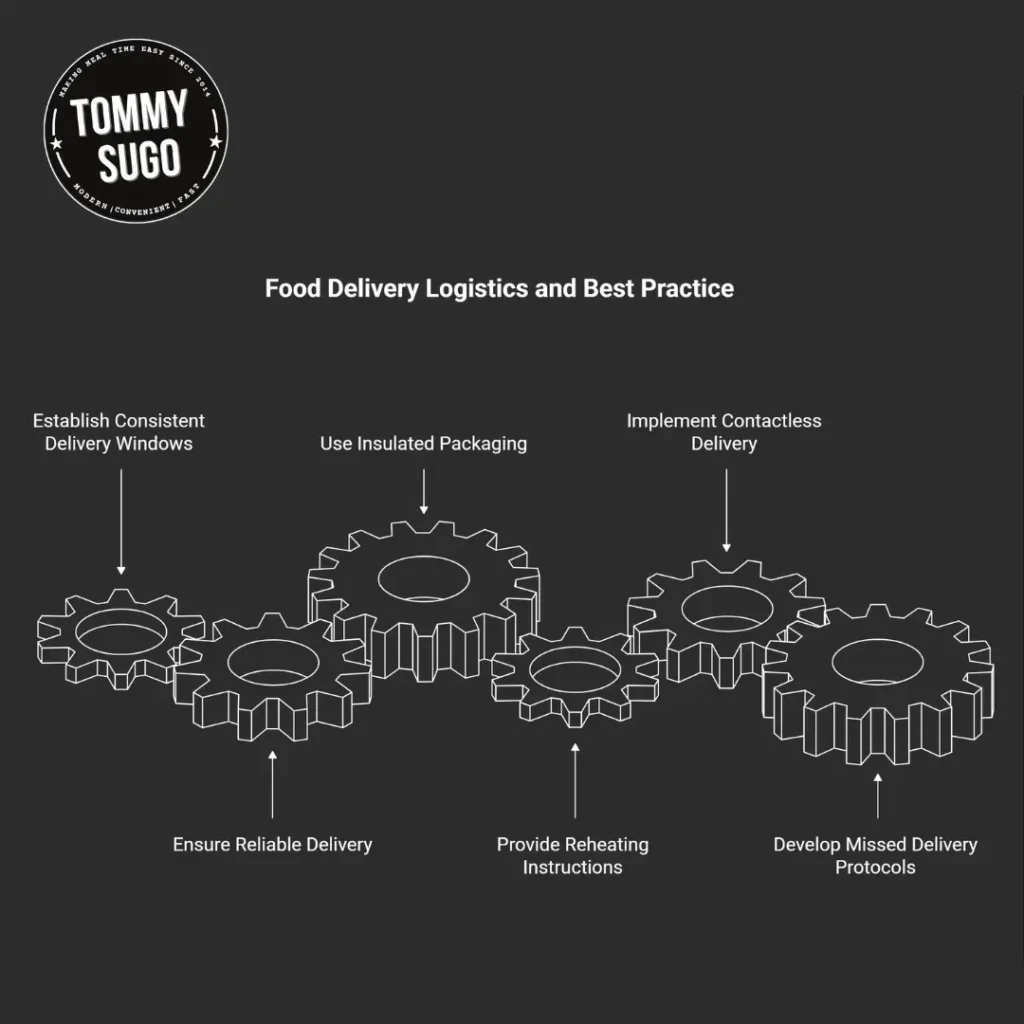
Establish consistent delivery windows that align with participants’ routines. Reliable delivery reduces missed meals and supports stability in daily living.
Temperature control and packaging
Use insulated packaging and reheating instructions to ensure food safety. For frozen or chilled meals, include clear instructions for thawing and reheating.
Contactless delivery and security
Contactless delivery options protect participant privacy and safety. Develop protocols for missed deliveries and for promptly reporting issues.
Delivery Services: Comparing Options for NDIS Food Preparation and Delivery
Commercial meal delivery providers
Commercial providers offer convenience and scale, with a wide range of menu options. Ensure they have safety accreditation and relevant experience with NDIS participants.
Local community organisations
Community-based services may provide personalised support and stronger local connections. They can be particularly responsive to cultural needs and local preferences.
Hybrid models
Hybrid approaches combine delivered meals with occasional on-site support to build participant skills. This model can be efficient and support gradual independence.
NDIS Meal Delivery: Ensuring Ethical and Compliant Service Provision
Consent and participant choice
Participants must give informed consent for services. Choices about menus, delivery methods and meal times should be respected wherever possible.
Privacy and dignity
Service providers must maintain confidentiality and treat participants with dignity, particularly when arranging deliveries or discussing dietary needs.
Complaint handling and continuous improvement
Providers should have transparent complaint processes and use feedback to improve service quality. Regularly review outcomes and adapt services based on participant feedback.
Actionable insights for implementing NDIS Food Preparation and Delivery
Step-by-step implementation checklist
- Obtain clinical assessments (OT, dietitian, GP) documenting functional impact on food preparation.
- Define clear, measurable goals in the NDIS plan related to nutrition and daily living.
- Select a provider with food safety accreditation and NDIS experience.
- Agree on service frequency, menus, pricing and delivery windows in a written service agreement.
- Train support staff who provide on-site assistance, including dietitian input for complex diets.
- Collect outcome data: meal consumption, weight, hydration and participant feedback.
- Prepare documentation for plan reviews demonstrating benefit and ongoing need.
Practical tips to improve meal acceptance
- Offer small menu rotations to avoid menu fatigue while maintaining variety.
- Use participant-preferred flavours and culturally relevant dishes to increase intake.
- Label meals with clear reheating and allergy information to improve safety and confidence.
Value for money strategies
- Compare local and national providers for price and quality to identify the best value.
- Negotiate bulk or regular delivery discounts where feasible.
- Consider a hybrid model combining occasional in-person meal prep coaching with regular deliveries to reduce long-term costs.
Conclusion
NDIS food preparation and delivery are practical and often vital supports for many participants. When planned, documented and delivered correctly, NDIS-funded meal delivery supports improved nutrition, reduced risk, and greater independence. Use clinical evidence, set clear plan goals, and select experienced providers to ensure that meals are nutritious, safe and aligned with personal preferences. Regularly review outcomes with your plan manager and health professionals to maintain service quality and value for money. For help navigating options and implementing reliable meal delivery services within an NDIS plan, contact Tommy Sugo for expert guidance and personalised support tailored to your needs.
Frequently Asked Questions
What is NDIS food preparation and delivery?
NDIS food preparation and delivery are supports that help participants access nutritious meals when they cannot prepare food independently due to disability. Funding depends on assessed need and alignment with plan goals.
Can I get NDIS-funded meal delivery if I can cook sometimes?
Funding is considered based on functional impact. If a participant can sometimes cook but faces recurring risks or an inability due to their disability, partial funding or a hybrid model may be appropriate.
How do I show evidence for meal delivery in my NDIS plan?
Provide reports from allied health professionals, GP letters, risk statements and examples demonstrating how disability limits safe food preparation or access to nutritious meals.
Are commercial meal delivery services eligible for NDIS funding?
Yes, commercial providers can be engaged if their services meet the participant’s needs and funding criteria. Ensure they accept the participant’s management type (self-managed, plan-managed or NDIA-managed).
How often can I have meals delivered under the NDIS?
Frequency depends on assessed need and budget. Some participants receive daily meals, while others have several deliveries per week. Specify frequency in the service agreement and NDIS plan goals.
Will NDIS pay for specialised diet meals?
NDIS may fund specialised meals if they are necessary due to disability-related needs and supported by clinical advice, such as texture-modified meals for dysphagia.
Can a plan manager help with meal delivery payments?
Yes, plan managers handle invoices, advise on budget allocation and can help negotiate with providers to ensure services align with plan goals and pricing guidelines.
What should I look for in a meal delivery provider?
Look for food safety credentials, experience with NDIS participants, menu flexibility for dietary needs, reliable delivery schedules and transparent pricing.
How do I include meal delivery in a plan review?
Bring documentation of outcomes, clinical reports and service records to the review. Demonstrate how meal delivery contributed to goals and why continuation or modification is required.
Are there community options for home delivered meals under the NDIS?
Yes, local community organisations often provide home delivered meals and may offer culturally specific options. They can be a valuable alternative to larger commercial providers.
For personalised assistance arranging NDIS food preparation and delivery, expert advice on plan inclusion, or to discuss nutritious meal options that meet your needs, contact Tommy Sugo today. Our team can help you navigate funding, select suitable meal delivery services and ensure the supports align with your NDIS plan goals.