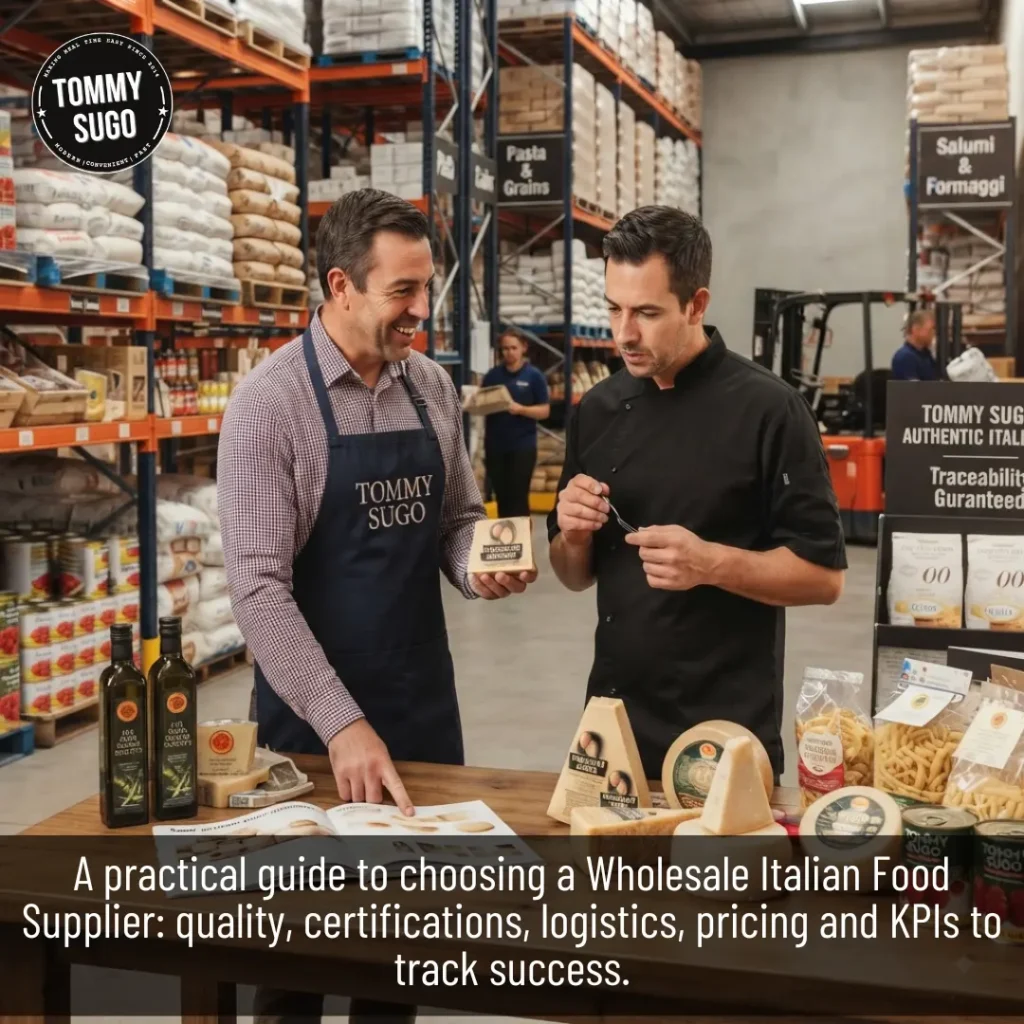
Choose a Wholesale Italian Food Supplier by prioritising quality, consistency, certification, supply reliability and cost transparency. Evaluate product range, logistics, customer service, and commercial terms to align with your menu, volume and brand.
We present a clear, practical guide to select a Wholesale Italian Food Supplier that supports growth, ensures compliance and delivers authentic Italian taste at scale.
- Prioritise food safety, provenance and consistent quality.
- Match supplier capability to your volumes, SKU needs and menu design.
- Assess logistics, warehousing and lead times for reliable supply.
- Review commercial terms, price structure and payment flexibility.
- Test support services, samples and ongoing communication practices.
Key Criteria When Selecting a Wholesale Italian Food Supplier
The key criteria are quality standards, authenticity, food safety, supply chain transparency and total cost of ownership.
Quality Standards and Certifications
Verify HACCP, SQF, BRC or equivalent certifications and regular third‑party audits to confirm that a Wholesale Italian Food Supplier meets industry safety standards.
Authenticity and Provenance
Confirm the origin of ingredients, protected designations (PDO/PGI) and producer relationships to ensure authentic Italian flavours and traceability.
Supply Chain Transparency
Request origin documents, batch records and ingredient supplier lists so you can manage allergens and communicate provenance to customers.
Evaluating Product Range and Menu Fit
Match the supplier’s SKU range, pack sizes and product formats to your menu structure and service model to reduce waste and improve kitchen efficiency.
Core Ingredients vs Specialty Items
Ensure the Wholesale Italian Food Supplier offers staples like pasta, canned tomatoes and cheeses, plus unique regional items that differentiate your menu.
Pack Sizes and Cost Control
Select pack sizes that align with your throughput; smaller packs for low-volume items and larger commercial packs for high-use staples reduce costs and handling.
Private Label and Co‑Packing Options
Explore private label or co‑packing for signature sauces and blends if the Wholesale Italian Food Supplier can meet volume and quality requirements.
Logistics, Warehousing and Delivery Reliability
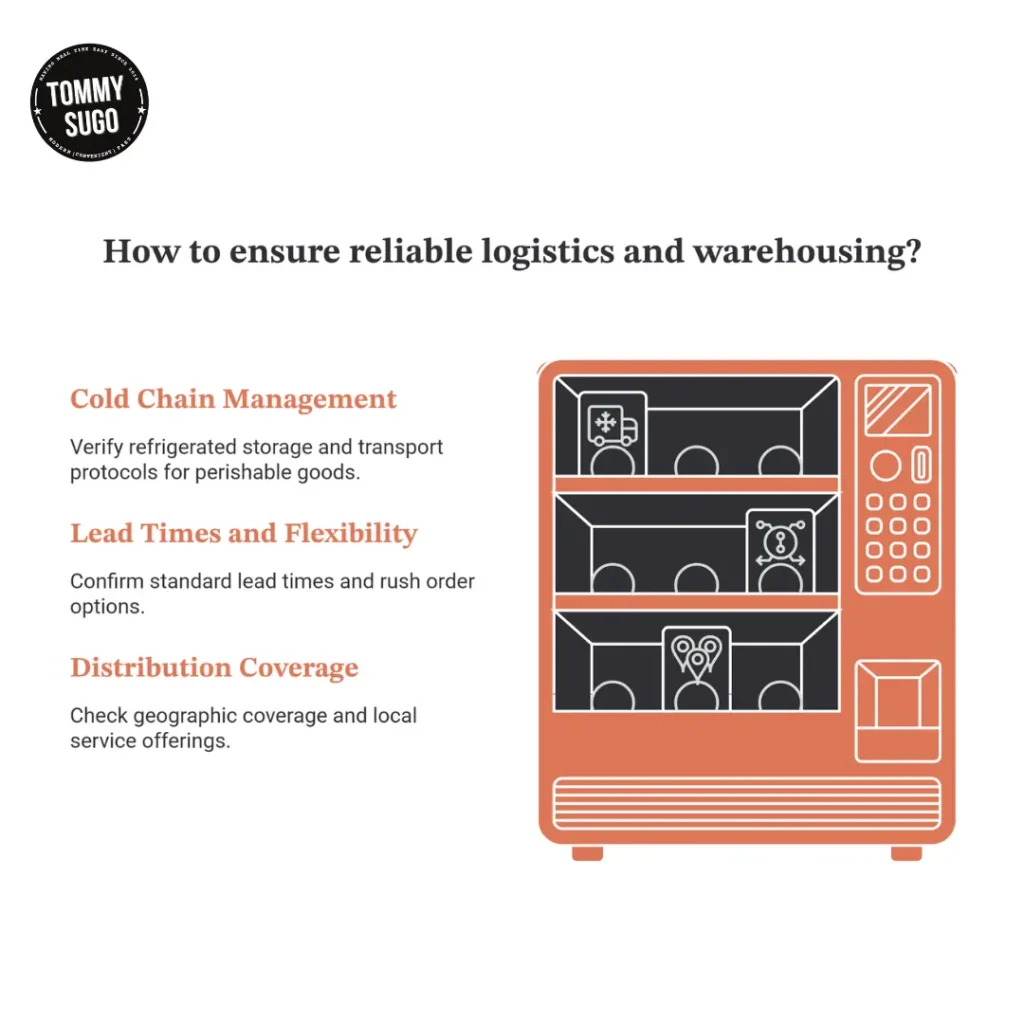
Reliable logistics and temperature-controlled warehousing are critical; review delivery windows, minimum order quantities and contingency plans for disruptions.
Cold Chain and Temperature Control
Verify refrigerated storage and transport protocols for perishable cheese, fresh pasta and ready meals supplied by the Wholesale Italian Food Supplier.
Lead Times and Order Flexibility
Confirm standard lead times, rush order options and the supplier’s ability to scale deliveries during peak periods.
Distribution Coverage and Local Service
Check geographic coverage and whether the Wholesale Italian Food Supplier offers local account managers for personalised service and quicker resolution.
Pricing, Contracts and Commercial Terms
Evaluate transparently quoted pricing, volume discounts, rebate structures and contract length to understand the true cost of partnering with a Wholesale Italian Food Supplier.
Unit Pricing vs Total Cost of Ownership
Compare unit prices together with storage, handling, shrinkage and delivery costs to determine the genuine cost advantage of a Wholesale Italian Food Supplier.
Payment Terms and Credit Facilities
Negotiate payment terms, credit limits and early‑payment discounts as part of the commercial arrangement with your Wholesale Italian Food Supplier.
Contract Clauses and Price Review Mechanisms
Include clauses for price review, minimum supply guarantees and termination rights to protect both parties in a Wholesale Italian Food Supplier contract.
Quality Assurance, Testing and Traceability
Implement incoming quality checks, shelf‑life testing and a traceability system to monitor the performance of your Wholesale Italian Food Supplier continuously.
Receiving Inspection Protocols
Use standard checklists for temperature, packaging integrity and batch numbers when receiving goods from a Wholesale Italian Food Supplier.
Shelf Life Management and FIFO
Coordinate shelf‑life requirements with the supplier and enforce FIFO procedures to minimise waste for items from your Wholesale Italian Food Supplier.
Recall Readiness and Communication Plans
Ensure the Wholesale Italian Food Supplier has a documented recall process and clear communication lines to your business in the event of a food safety issue.
Service, Support and Partnership Potential
Select a Wholesale Italian Food Supplier that offers commercial support, technical assistance and menu development collaboration to drive mutual growth.
Account Management and Responsiveness
Evaluate the supplier’s responsiveness, assigned account management and problem‑resolution protocols as part of the service offering.
Sampling, Menu Testing and Training
Request product samples, pilot runs and kitchen training to ensure seamless integration of items from the Wholesale Italian Food Supplier into your operations.
Marketing Support and Co‑Promotion
Check for co‑marketing opportunities, point‑of‑sale support and menu photography that a Wholesale Italian Food Supplier may provide to help promote menu items.
Risk Management and Sustainability Considerations
Assess supply risk, food fraud controls and sustainability commitments to align with your corporate responsibility goals when choosing a Wholesale Italian Food Supplier.
Supply Risk and Diversification
Mitigate single‑source dependency by evaluating alternate suppliers and inventory buffers to reduce exposure to disruptions from your Wholesale Italian Food Supplier.
Food Fraud Prevention and Ingredient Authentication
Ask about supplier audits, certificate of analysis and testing practices that prevent mislabelling or substitution in products supplied by a Wholesale Italian Food Supplier.
Environmental and Ethical Sourcing
Consider sustainability credentials, packaging recyclability and fair labour practices when partnering with a Wholesale Italian Food Supplier to meet consumer expectations.
Practical Onboarding Checklist for a New Wholesale Italian Food Supplier
Follow a structured onboarding checklist that covers contracts, samples, technical data sheets, delivery schedules and IT integration with your ordering systems.
Document Collection and Compliance
Obtain certificates, insurance, HACCP plans and allergen statements before accepting the first shipment from a Wholesale Italian Food Supplier.
Pilot Orders and Performance KPIs
Place pilot orders and set KPIs for fill rate, quality acceptance and on‑time delivery to validate the Wholesale Italian Food Supplier under real operating conditions.
Systems Integration and Ordering Processes
Integrate ordering portals, EDI or punch‑out catalogues and agree stock‑keeping units with the Wholesale Italian Food Supplier to streamline procurement.
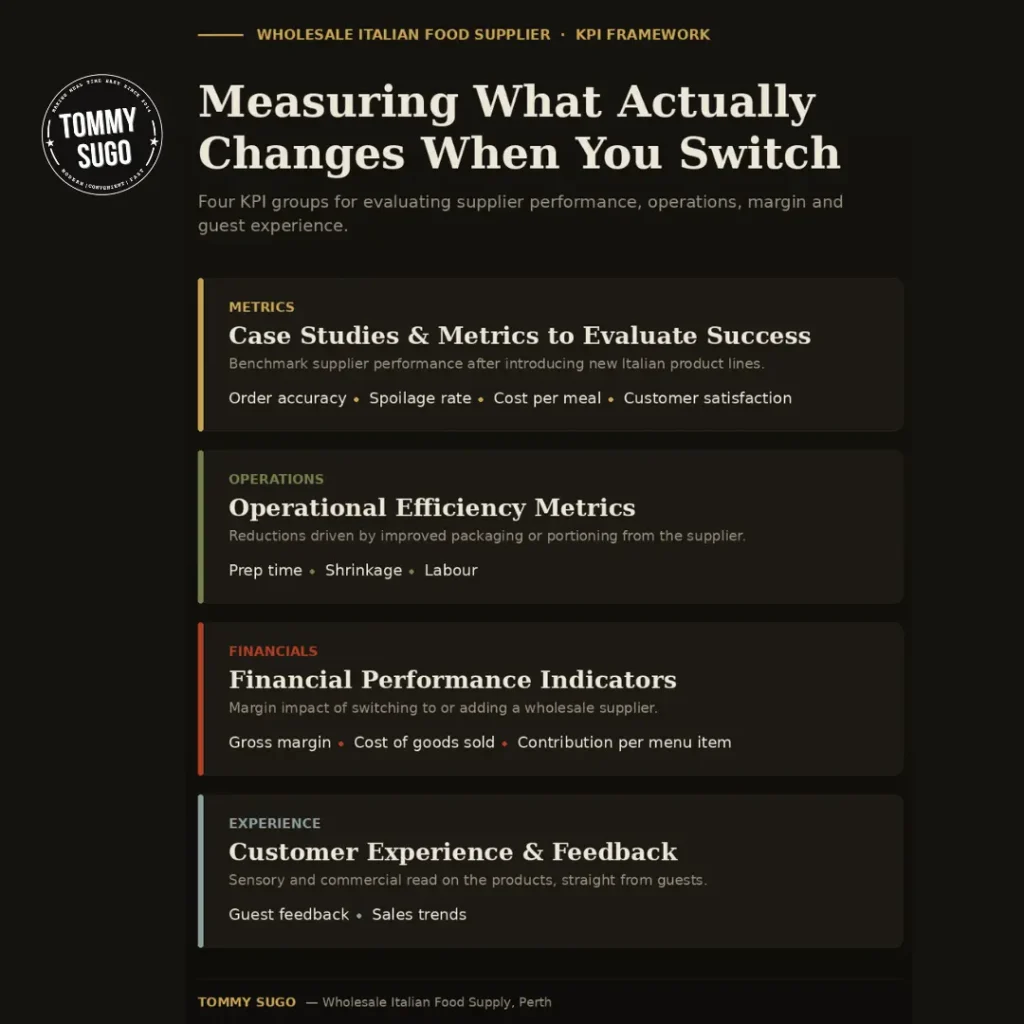
Case Studies and Metrics to Evaluate Success
Measure supplier performance with KPIs such as order accuracy, spoilage rate, cost per meal and customer satisfaction after introducing items from a Wholesale Italian Food Supplier.
Operational Efficiency Metrics
Track reductions in prep time, shrinkage and labour through improved packaging or portioning supplied by the Wholesale Italian Food Supplier.
Financial Performance Indicators
Monitor gross margin, cost of goods sold and contribution per menu item after switching to or adding a Wholesale Italian Food Supplier.
Customer Experience and Feedback
Use guest feedback and sales trends to evaluate the sensory and commercial success of Italian products purchased from a Wholesale Italian Food Supplier.
Negotiation Strategies with a Wholesale Italian Food Supplier
Approach negotiation with clear volume forecasts, flexibility for trial periods and incentives for long‑term partnerships when dealing with a Wholesale Italian Food Supplier.
Volume Commitments and Discount Tiers
Offer realistic volume commitments that unlock tiered discounts from the Wholesale Italian Food Supplier while protecting against overcommitment.
Trial Periods and Performance Clauses
Secure trial provisions and performance‑based clauses that allow reassessment if the Wholesale Italian Food Supplier does not meet agreed KPIs.
Value-Added Services in Negotiation
Negotiate for menu development, staff training or flexible credit terms as part of the total value proposition from the Wholesale Italian Food Supplier.
How We Recommend Sourcing Italian Products for Your Business
We recommend prioritising direct relationships with producers, regional specialities and certified suppliers to build a reliable portfolio of Italian products through a trusted Wholesale Italian Food Supplier.
Start with a Core Range
Build a core SKU list of staples: pasta, tomato, olive oil, cheese and expand into regional items as you validate demand from your Wholesale Italian Food Supplier.
Run Controlled Menu Tests
Test new Italian lines in limited menus or pop‑ups to measure customer response before larger rollouts sourced from the Wholesale Italian Food Supplier.
Review and Iterate Quarterly
Conduct quarterly business reviews to refine assortment, adjust terms and improve margins together with the Wholesale Italian Food Supplier.
Conclusion
Choosing a Wholesale Italian Food Supplier requires balancing quality, logistics, commercial terms and shared growth objectives; the right partner delivers consistent, authentic Italian ingredients and supports your operational needs.
When selecting a Wholesale Italian Food Supplier, we recommend a methodical evaluation: checklist validation, pilot orders and clear KPIs. For businesses seeking a supplier that combines authentic Italian provenance with dependable service, reach out to us at Tommy Sugo for a conversation about how we can meet your supply needs.
Frequently Asked Questions
What defines a Wholesale Italian Food Supplier?
A Wholesale Italian Food Supplier sources and distributes Italian food products at scale to businesses such as restaurants and retailers. They provide commercial pack sizes, logistics and quality assurance for foodservice buyers.
How important is certification when choosing a supplier?
Certifications like HACCP and BRC demonstrate adherence to food safety standards and regular audits. They are essential indicators of a reliable Wholesale Italian Food Supplier.
Can suppliers provide product samples before purchase?
Yes, reputable suppliers offer samples and pilot runs so you can assess flavour, shelf life and kitchen fit before committing to larger orders from the Wholesale Italian Food Supplier.
How do we manage shelf life for imported Italian goods?
Coordinate shelf‑life expectations with your supplier, enforce FIFO, and request accurate production and best‑before dates to reduce waste from the Wholesale Italian Food Supplier’s products.
What are typical delivery lead times?
Lead times vary by product and location; standard delivery windows are three to seven days for stocked items, while imported or made‑to‑order goods may require longer lead times from the Wholesale Italian Food Supplier.
Is private labelling available from wholesale suppliers?
Many Wholesale Italian Food Suppliers offer private label or co‑packing services contingent on minimum volumes and quality agreements to create unique branded products.
How do we ensure allergen control?
Request full ingredient declarations, allergen statements and cross‑contact controls from the supplier. Implement receiving checks and segregation in your own operations when accepting goods from a Wholesale Italian Food Supplier.
What payment terms should we expect?
Payment terms range from COD to 30, 60 or 90 days depending on credit arrangements. Negotiate terms that align with your cash flow and order volumes with the Wholesale Italian Food Supplier.
How often should we review supplier performance?
Conduct formal supplier reviews quarterly and more frequently during onboarding or after performance incidents to assess service levels from the Wholesale Italian Food Supplier.
How can sustainability influence supplier choice?
Sustainability credentials, packaging choices and ethical sourcing affect consumer perception and risk. We recommend choosing a Wholesale Italian Food Supplier with transparent sustainability practices.