Introduction
The traditional Australian shopping mall is undergoing its most radical transformation in decades. The days of the predictable, sterile retail hub- where visitors rushed in to buy a pair of shoes and left immediately after- are officially over. According to the authoritative industry brief by Future Food, Australian Food & Hospitality Trends 2026: Strategic Foresight Across Key Sub-Sectors, retail and entertainment asset performance is now being “supercharged by contemporary food and hospitality experiences.”
For property developers, asset managers, and local food brands alike, the message is loud and clear: shopping centres are diversifying away from purely transactional retail. Instead, they are evolving into community-centric lifestyle spaces designed to accommodate a wide range of customer need states. Whether catching a quick convenience bite, making an impulse purchase, or gathering for an evening celebration, customers now demand a layered, authentic experience.
At Tommy Sugo, we have watched this evolution unfold firsthand across Western Australia. As a brand deeply embedded in providing fresh, authentic Italian food, we understand that true hospitality is about storytelling, connection, and place. This structural shift in how retail spaces operate doesn’t just change how people eat at a mall- it completely redefines how we think about social gatherings, corporate events, and the premium catering services Perth hosts to keep its communities connected.
The Shift from Transactional Retail to Experience-Led Spaces
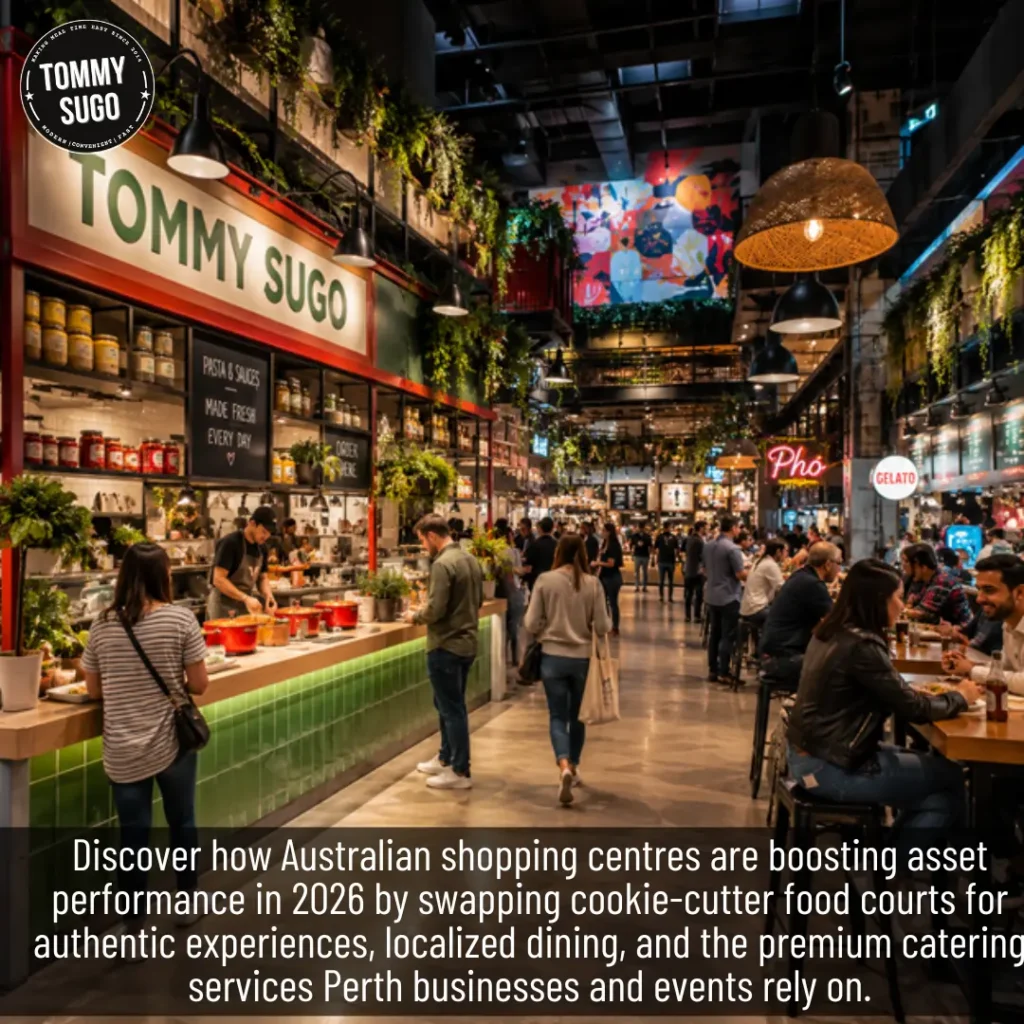
For years, the standard playbook for commercial shopping precincts was simple: maximise floor space for retail giants and relegate food to a uniform, fluorescent-lit food court on the top floor. However, heading deeper into 2026, asset performance is directly tied to an establishment’s ability to offer something far more memorable.
Moving Beyond the Standardised National Brand Rollout
The Future Food 2026 trend report highlights a critical vulnerability in modern retail management: an over-reliance on uniform national and international hospitality brands. At the same time, major chains provide operational reliability and scale, but a copy-paste brand mix risks delivering a homogenised, cookie-cutter experience. Modern consumers can spot a corporate, soulless rollout from a mile away, and it no longer excites them.
The most successful retail hubs are moving away from this transactional model. They now recognise that food and beverage programming is a strategic expression of place. If a shopping centre looks identical whether it is in Sydney, Melbourne, or Perth, it fails to build a genuine relationship with its immediate community.
Cultivating Individuality Through Catchment Profiles
To thrive, centres require a highly nuanced, place-specific approach that responds to local context, climate, day-part behaviours, and distinct customer demographics. A centre serving a bustling weekday corporate population requires an entirely different hospitality rhythm compared to a suburban hub anchored in weekend family leisure, tourism, or late-night entertainment.
This hyper-localised strategy influences everything:
- Opening Hours: Extending past retail trading hours to capture the twilight and evening economy.
- Price Architecture: Balancing budget-friendly everyday convenience with premium, experiential dining options.
- Seating Configurations: Moving away from rigid, multi-row food court plastic chairs toward intimate, comfortable, and beautifully designed communal zones.
The Power of Local and Independent Operators
Local and independent operators play a critical role in this modern asset strategy. They are no longer treated as filler tenants; they are the anchors of community identity and storytelling. Local businesses respond more intuitively to local tastes, seasonal shifts, and cultural moments.
When independent brands are thoughtfully curated alongside established anchors, they create a layered hospitality ecosystem that feels organic rather than engineered. This blend drives longer dwell times and elevates asset performance, proving that authenticity is highly profitable.
The Multichannel Role of Modern Food Brands in Perth
As shopping centres pivot toward these localised, authentic food models, independent brands like Tommy Sugo have adapted to serve customers across multiple channels. It is no longer just about serving a hot bowl of traditional pasta to a walking shopper- it is about extending that high-quality culinary experience directly into Perth’s corporate offices, boardrooms, private homes, and major event spaces.
Elevating Social and Corporate Gatherings
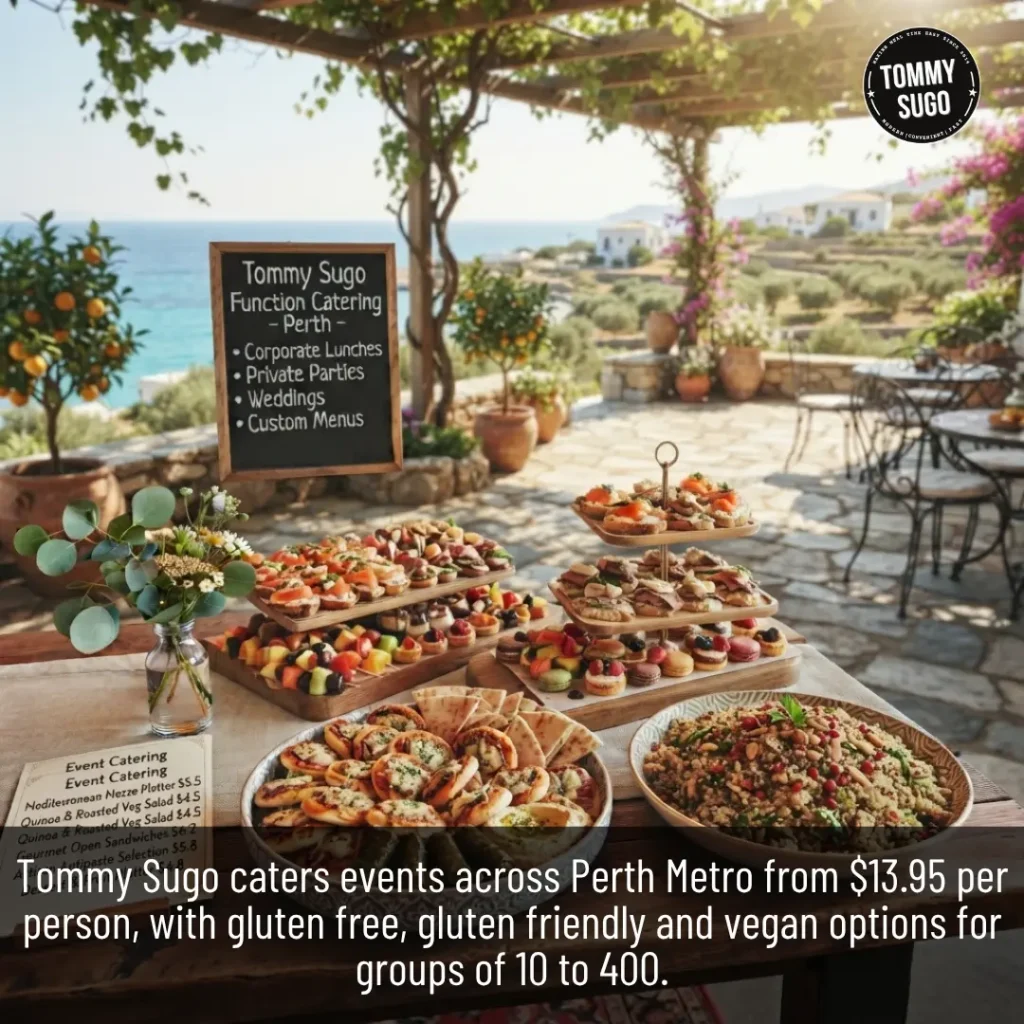
The evolution of shopping centres into lifestyle spaces reflects a broader cultural shift across Western Australia: people want premium, restaurant-quality food wherever they gather. This is precisely why the demand for top-tier catering services Perth-wide has soared.
Whether it is a corporate milestone in the Perth CBD, a community festival, or a private family milestone, the expectation for food has shifted from perfunctory finger foods to authentic, artisan experiences. Property managers and businesses alike realise that serving exceptional food builds lasting goodwill and connection.
Bringing Artisan Authenticity to the Table
When organising an event, convenience should never mean sacrificing quality. The modern standard for catering services Perth hosts mirrors the trends seen in 2026 retail spaces: customizable, premium, and deeply satisfying.
By focusing on traditional, real ingredients- like slow-cooked sauces and locally sourced produce- event organisers can deliver the same organic, comforting storytelling experience that top-tier shopping precincts use to attract visitors. Choosing the right catering services Perth has to offer ensures that the warmth of a home-cooked Italian meal can be replicated at scale for hundreds of guests.
Seamless Digital Integration and Convenience
Just as modern universities and shopping precincts are integrating advanced ordering systems, smart food lockers, and seamless apps to streamline operations, event catering must be frictionless. Ordering gourmet catering services Perth relies on should be as simple as a few clicks, offering complete transparency over ingredients, allergen details, and delivery tracking to keep busy event coordinators entirely stress-free.
Maximising Asset Performance via Hospitality Ecosystems
To understand why food has become the ultimate anchor tenant, we have to look closely at the commercial metrics. Landlords are no longer measuring a food vendor’s value solely by the rent paid per square metre; they are evaluating how effectively that vendor drives ecosystem-wide foot traffic and cross-shopping behaviour.
Driving Dwell Time and Cross-Shopping
The mathematics of modern property management are straightforward: longer dwell times equal higher per-capita spend across the entire asset. When a shopping centre features an authentic, experience-led dining precinct, it transforms from a quick stop into a destination.
A family might arrive at 5:00 PM for an early dinner at a local Italian eatery, browse boutique retail shops afterwards, and finish the evening with dessert or entertainment. Food acts as the ultimate social glue, keeping people on-site far longer than traditional retail ever could.
Capturing Multiple Customer Need States
A highly optimised hospitality ecosystem successfully captures diverse customer “need states” throughout an 18-hour day-part cycle.
By intentionally designing spaces to fulfil these distinct daily patterns, asset owners insulate themselves from economic fluctuations and create a resilient, always-active commercial hub. For businesses looking to mirror this variety outside the mall environment, utilising professional catering services Perth companies trust allows them to replicate these distinct food experiences for daytime seminars or evening networking sundowners.
Aligning with Spatial and Environmental Contexts
True hospitality programming reflects the unique spatial and environmental conditions of its location. In Western Australia, this means leaning heavily into our Mediterranean climate and love for outdoor living.
The most successful asset strategies position outdoor dining precincts to maximise pedestrian flows, incorporate beautiful native landscaping, and design spaces that transition seamlessly between bright, breezy daytime cafes and warm, ambient evening spaces. It is about creating a sense of place that feels deeply embedded in the Perth lifestyle, a quality that should also be reflected in the personalised catering services Perth event planners select for outdoor functions.
Sustainability and Future-Proofing Hospitality Assets
The Future Food 2026 report emphasises that sustainability has evolved from a superficial marketing message into a core operational imperative. Consumers, particularly Gen Z and Millennials, actively scrutinise the environmental footprints of the places they shop and the brands they support.
The Rise of Shared Precinct Infrastructure
Individual tenants can no longer solve the waste crisis in isolation. The future of sustainable retail design lies in precinct-wide, collaborative infrastructure. Leading Australian developments are pioneering integrated, shared systems, including:
- Centralised organic composting hubs.
- Precinct-wide reusable container programs shared across multiple operators.
- Sophisticated food waste tracking analytics.
- Integrated renewable energy grids and water harvesting systems.
Moving Toward Net-Positive Outcomes
The industry conversation is rapidly shifting past “net-zero” targets toward genuine regenerative hospitality. This advanced approach aims to actively restore ecosystems and strengthen local communities.
For a brand like Tommy Sugo, this means prioritising local supply chains, minimising single-use plastics across our retail and catering lines, and ensuring that our commercial growth actively supports local Western Australian farmers and producers. When shopping centres champion regenerative tenants, they build bulletproof long-term asset value and deep customer loyalty.
Catering with a Conscience
This environmental responsibility carries directly over into event management. When businesses book catering services Perth-wide, they are increasingly demanding eco-friendly operations. Providing compostable packaging, accurate portion planning to completely eliminate food waste, and transparent ingredient provenance are no longer optional extras- they are foundational elements of premium modern hospitality that clients expect from top-tier catering services Perth providers.
Conclusion: The Recipe for Long-Term Asset Success
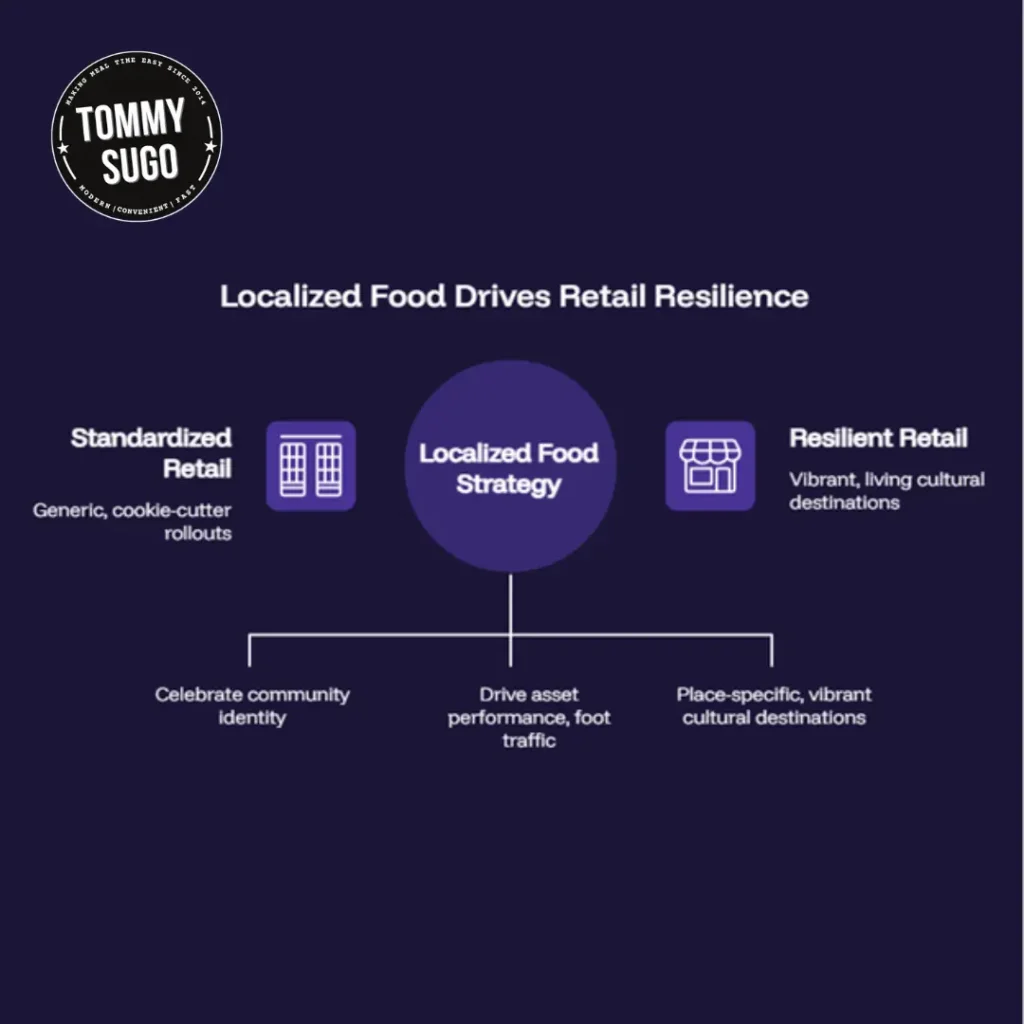
The retail landscape of 2026 requires an entirely new way of thinking. Standardised, cookie-cutter rollouts are giving way to localised, authentic, and experience-led spaces that celebrate community identity. Food is no longer a secondary amenity designed to feed tired shoppers; it is the primary strategic anchor driving asset performance, foot traffic, and long-term commercial resilience.
As shopping precincts adapt to these human-centric, highly localised strategies, the benefits cascade beautifully across our local communities. It challenges local food brands to innovate, ensuring that whether you are enjoying a fresh bowl of pasta in a beautifully designed lifestyle mall, or booking premium corporate catering services Perth-wide for an important milestone, you are receiving an authentic, memorable, and deeply satisfying experience.
By resisting uniform, generic solutions and instead embracing tailored, place-specific hospitality programming, property owners and local brands can work together to create vibrant, living cultural destinations that stand the test of time.
Read Also: The Digital Dining Revolution: How Technology is Shaping the Future of Ready Made Meals in Perth
Frequently Asked Questions (FAQs)
Why are shopping centres shifting away from traditional fast-food courts?
Traditional, generic food courts often deliver a homogenised, uninspiring experience that fails to engage modern consumers. Moving toward 2026, asset performance is heavily driven by experience-led, localised dining precincts that offer unique culinary storytelling, higher-quality food, and comfortable environments that encourage visitors to stay longer.
How does authentic dining improve shopping centre asset performance?
Authentic dining options turn shopping centres into lifestyle destinations rather than transactional spaces. This significantly increases customer dwell time, boosts foot traffic, encourages cross-shopping across retail stores, and creates a vibrant evening economy, maximising overall per-capita spend.
What makes a localised hospitality strategy successful?
A successful localised strategy depends on a deep understanding of a centre’s specific catchment profile- such as local demographics, work patterns, lifestyle preferences, and cultural diversity. It avoids a one-size-fits-all approach and tailors opening hours, menus, price architecture, and seating to match the community’s unique daily rhythms.
What role do local and independent food operators play in retail malls?
Independent operators act as anchors of community identity. They respond flexibly to local tastes, seasonal produce, and cultural moments, creating an organic, layered ecosystem. When balanced alongside reliable national brands, they prevent the centre from looking like a cookie-cutter replica of every other mall.
What are the key corporate catering services Perth businesses look for in 2026?
Perth businesses prioritise premium quality, artisan authenticity, seamless digital ordering, and absolute reliability. Modern event planners look for catering services Perth packages that celebrate real, wholesome ingredients, accommodate complex dietary needs, and offer effortless hot delivery or simple heat-and-serve options for stress-free event coordination.
How are dietary requirements influencing modern food and catering trends?
Dietary accommodations have moved rapidly from a niche request to mainstream infrastructure. Driven heavily by Gen Z and Millennials, successful food operators and event caterers providing catering services Perth-wide must seamlessly provide extensive plant-based, gluten-free, vegan, halal, and allergen-free options without compromising on taste, presentation, or flavour.
What is regenerative hospitality in shopping centre management?
Regenerative hospitality moves beyond basic sustainability or net-zero goals. It focuses on net-positive outcomes that actively restore ecosystems and strengthen local communities. This includes sourcing from local agricultural food systems, enhancing the public realm, creating local economic opportunities, and minimizing environmental impact through shared precinct infrastructure.
How can shopping centres extend their activation hours beyond typical retail times?
Centres achieve 18-hour activation by designing versatile spaces that transition seamlessly across day-parts. This involves creating inviting morning specialty coffee hubs, bustling lunchtime quick-service formats, social afternoon spaces, and linger-driven evening destination dining paired with entertainment or cocktail bars.
Why is shared precinct infrastructure important for sustainability?
Shared infrastructure recognizes that environmental initiatives work best when operators don’t work in isolation. Centralized waste tracking, precinct-wide organic composting hubs, and shared reusable container programs lower individual tenant operational costs while creating a genuine, measurable environmental impact.
How does Tommy Sugo bridge the gap between retail dining and Perth event catering?
Tommy Sugo brings the same artisan authenticity, traditional slow-cooked sauces, and premium local ingredients found in top-tier lifestyle precincts directly to external events. By offering seamless digital ordering and flexible delivery options, we make it effortless to bring the best catering services Perth has to offer directly to corporate boardrooms and private social gatherings across the entire Perth metro area.