

Introduction
This comprehensive guide addresses Australian fundraising for organisations of all sizes. It explains proven fundraising models, legal and compliance obligations, digital platforms, donor engagement strategies and the latest trends shaping philanthropic behaviour across Australia. The material is designed to be practical and non-promotional, offering clear steps you can apply immediately.
Key takeaways
- Understand the most effective fundraising models for one-off campaigns, recurring giving and major gifts.
- Comply with Australian fundraising law, including state regulations, ACNC obligations and tax concessions.
- Leverage digital tools such as CRM, online giving, social media and payment gateways.
- Build strong donor engagement through stewardship, segmentation and transparent reporting.
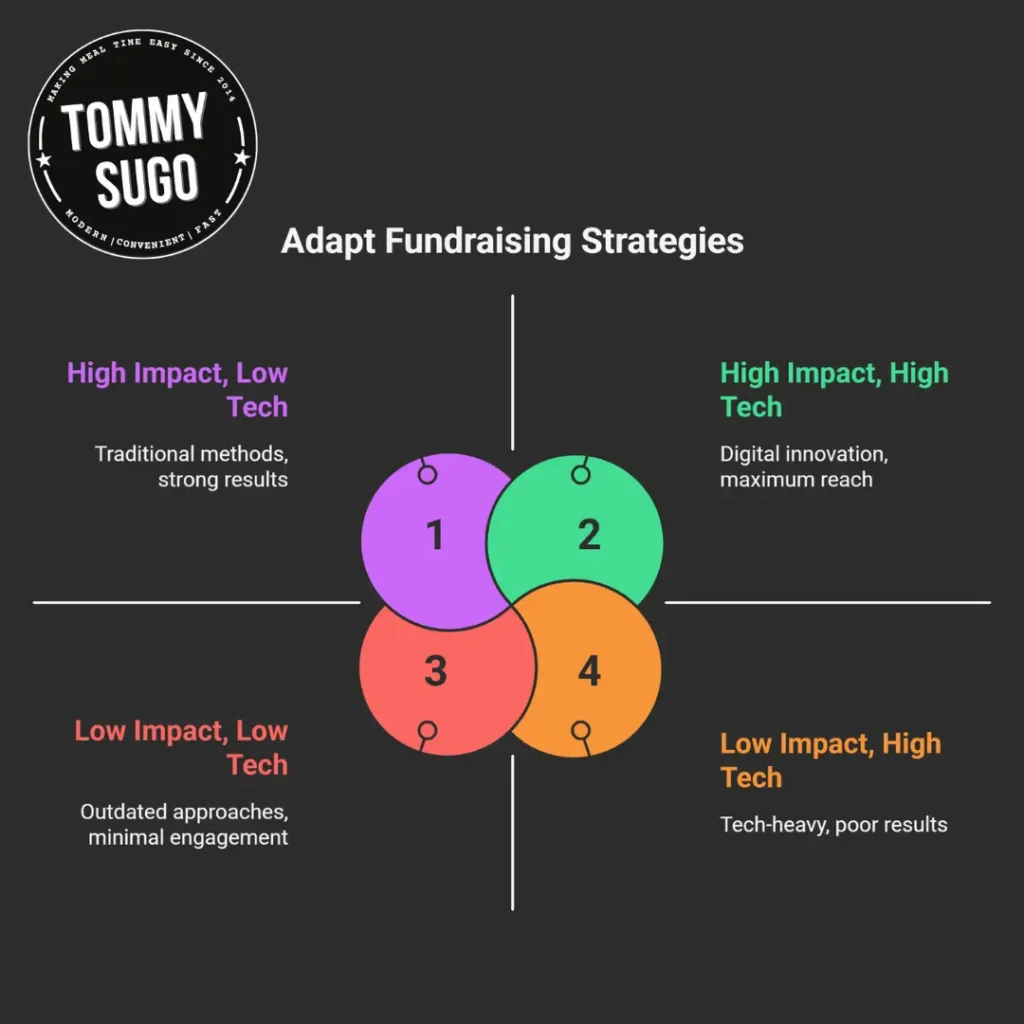
- Adapt to current trends such as technology, impact reporting, and corporate partnerships.
Fundraising Models for Australian Organisations
Community and grassroots fundraising
Community events, bake sales, raffles and volunteer-led drives remain central to Australian fundraising for schools, sporting clubs and small charities. These models rely on local networks, low-cost logistics and strong volunteer coordination. Use simple project plans and basic budgeting to keep activities lawful and effective.
Recurring giving and membership programs
Recurring giving programs stabilise income. Monthly donors provide a predictable cash flow and reduce dependency on single events. Membership schemes offering tangible benefits to supporters can enhance retention and deepen engagement, a growing element of Australian fundraising strategies.
Major gifts, trusts and foundations
Major gifts and philanthropic grants require tailored cultivation, proposals and stewardship. Building relationships with high-net-worth individuals, family trusts, and philanthropic foundations is resource-intensive but yields significant returns. Australian fundraising in this space demands professionalism, documentation and impact measurement.
Legal and Regulatory Considerations in Australia
Registering and reporting obligations
Most charities in Australia should register with the Australian Charities and Not-for-profits Commission (ACNC). Registration imposes reporting obligations such as annual information statements and governance standards. For many organisations, compliance is central to maintaining credibility and access to tax concessions.
State fundraising licences and permits
Fundraising activities may require state-based licences or permits. Rules vary significantly between jurisdictions; for example, raffles or public collections often need specific approvals. Before commencing any activity, check local government and state charity commission requirements to ensure lawful Australian fundraising.
Tax status, DGR and GST implications
Deductible Gift Recipient (DGR) endorsement increases donor incentives but is subject to strict criteria. GST treatment of fundraising income, gift receipts and fundraising events also requires careful handling. Seek professional advice to confirm tax treatment relevant to Australian fundraising initiatives.
Digital Tools and Platforms
Online donation platforms and payment gateways
Modern Australian fundraising increasingly uses online platforms for one-off and recurring donations. Choose platforms that integrate with your CRM, offer transparent fee structures and comply with Australian payment security standards. Payment gateways must support local payment methods and data protection norms for donors.
Donor management and CRM systems
Effective donor management systems capture giving history, communications and event participation. A CRM tailored to fundraising enables segmentation, personalised appeals and analytic tracking. Investing in a scalable CRM is a common turning point for successful Australian fundraising programs.
Social media, email and digital marketing tools
Social media and email automation are essential for reach and retention. Use analytics to track campaign performance and refine messaging. Integrate digital marketing tools with donation pages to reduce friction in the supporter journey and increase conversion rates for Australian fundraising campaigns.
Donor Engagement and Retention Strategies
Segmentation and personalised communication
Donor segmentation allows targeted appeals based on gift size, frequency, interests and engagement history. Personalised communication increases response rates and long-term loyalty. Maintain donor preferences and respect communication opt-outs to sustain trust in Australian fundraising efforts.
Stewardship, recognition and reporting impact
Stewardship is the process of acknowledging gifts and demonstrating their impact. Fast receipt acknowledgement, regular reporting and stories showing outcomes are critical. Transparent impact reporting builds confidence and encourages repeat giving in Australian fundraising.
Volunteer engagement and peer fundraising
Volunteers amplify reach through peer-to-peer fundraising and advocacy. Provide toolkits, clear messaging and recognition to maximise volunteer retention. Peer fundraising attracts new networks and often delivers high-value contributions to Australian fundraising campaigns.
Practical Campaign Planning and Execution
Setting goals, budgets and success metrics
Begin every campaign with SMART goals and a clear budget. Define success metrics beyond income, such as donor acquisition, retention rates and social reach. Regularly review performance and adapt tactics to optimise outcomes for Australian fundraising initiatives.
Storytelling, proposition and creative assets
Compelling storytelling is central to converting interest into donations. Develop a clear value proposition explaining how gifts create impact. Prepare high-quality creative assets, images, videos and case studies and tailor them to each channel used in Australian fundraising campaigns.
Channel mix and timing
Choose a mix of digital, face-to-face and event-based channels to match your audience. Seasonal timing and calendar awareness influence donor behaviour; align campaigns with giving cycles, tax deadlines and community events to maximise engagement in Australian fundraising.
Measuring Impact and Using Data
Key performance indicators and dashboards
Define KPIs that measure acquisition cost, lifetime value, retention and conversion rates. Dashboards provide quick visibility into campaign performance and inform strategic decisions. Regular reporting cycles help teams adjust tactics and demonstrate accountability for Australian fundraising.
Data privacy and donor consent
Australia has privacy laws and best-practice standards that affect donor data collection and storage. Obtain explicit consent for communications, secure donor records, and ensure third-party platforms comply with Australian privacy requirements. Trust is essential for sustained Australian fundraising.
Evaluation and learning loops
Post-campaign evaluation identifies what worked and what did not. Capture lessons and standardise successful approaches. Continuous learning improves efficiency and fundraising yield across successive Australian fundraising activities.
Current Trends Shaping Australian Fundraising
Technology adoption and giving behaviour
Contactless giving, mobile wallets and integrated donation flows reflect shifting donor expectations. Australian fundraising now embraces technology to reduce friction and expand reach, particularly among younger demographics who prefer digital-first giving experiences.
Focus on transparency and impact measurement
Donors increasingly demand evidence of impact and financial transparency. Australian fundraising strategies must prioritise clear reporting, use of funds breakdowns and outcomes measurement to maintain credibility and encourage larger gifts.
Corporate partnerships and workplace giving
Corporate social responsibility programs and workplace giving remain significant sources of funds. Structured partnerships, matched giving programs, and employee volunteering boost visibility and resources. Australian fundraising benefits when nonprofits present clear value to corporate partners.
Risk Management and Governance
Identifying and mitigating fundraising risks
Common risks include financial mismanagement, reputational harm and regulatory breaches. Conduct risk assessments for each campaign, maintain transparent financial controls and ensure appropriate insurance and contingency plans. Effective governance protects donors and the organisation in Australian fundraising.
Governance best practices
Boards and senior leaders should set fundraising policy, approve strategies and monitor compliance. Clear delegations, conflict-of-interest policies and documented procedures enhance accountability and effectiveness in Australian fundraising operations.
Ethical considerations and donor intent
Respect donor intent and adhere to ethical fundraising codes. Rejecting gifts that compromise mission or reputation is sometimes necessary. Ethical practice sustains long-term support and public trust in Australian fundraising.
Practical Tools and Resources
Templates and checklists
Use templates for campaign briefs, risk assessments, budgets and donor acknowledgement letters. Checklists ensure no legal or operational steps are missed. These practical tools improve consistency and reduce errors in Australian fundraising activities.
Training and professional development
Invest in staff and volunteer training on fundraising techniques, digital tools and compliance. Accredited courses and peer networks enhance skills and capacity. Ongoing development supports sustainable Australian fundraising practices.
Where to find expert help
Seek advice from accountants, lawyers and fundraising consultants experienced in the Australian sector. Professional support is particularly important for major gift solicitations, complex legal questions and scaling digital infrastructure for Australian fundraising.
Case Studies and Examples
School fundraising success story
A suburban primary school combined an annual fete with an online giving page and recurring donation option for parents. Clear communication about projects and transparent budgeting increased sustained contributions. This mixed model demonstrates practical Australian fundraising at the local community level.
Community sport club model
A regional football club launched a sponsorship package and membership drive, coupled with volunteer-led events. The club improved financial stability and engaged local businesses through value-based partnerships. For many clubs, this hybrid approach typifies effective Australian fundraising.
Not-for-profit digital transformation
A small health charity adopted a CRM, automated stewardship emails and a peer-to-peer fundraising platform. Over 18 months, the charity increased donor retention and reduced administrative burden, illustrating the returns possible through measured investment in digital tools for Australian fundraising.
Implementation Roadmap
Short-term actions (0–3 months)
Conduct a fundraising audit, ensure legal compliance, set SMART goals and choose one or two digital tools to pilot. Update donor receipts and acknowledgement processes. These immediate steps lay the groundwork for stronger Australian fundraising outcomes.
Medium-term actions (3–12 months)
Deploy a CRM, launch a recurring giving program, train staff and test multichannel campaigns. Build relationships with local corporations and foundations. Monitor KPIs and refine approaches to improve performance in Australian fundraising.
Long-term strategy (12+ months)
Scale successful programs, invest in major gifts cultivation and strengthen governance. Use impact evaluation to attract grants and corporate partners. Embed a culture of continuous improvement to sustain Australian fundraising success.
Conclusion
Australian fundraising is evolving. Organisations that combine strong governance, legal compliance, data-driven digital tools and compelling donor engagement will be best placed to succeed. Whether you represent a school, charity, sports club, community group or corporate CSR team, a strategic, ethical and professional approach is essential.
Review your current fundraising model against the practical steps in this guide. Start with a compliance check and a simple pilot digital campaign to build momentum. Prioritise donor stewardship and transparent impact reporting to grow trust and long-term support for Australian fundraising.
Frequently Asked Questions
What is Australian fundraising?
Australian fundraising refers to the practice of raising voluntary financial support within Australia, including methods, legal obligations, donor engagement and tools used by organisations across the country.
Do I need a licence to fundraise in Australia?
It depends on the state and activity. Many public collections and raffles require state licences. Check your local regulations before conducting public fundraising.
How does DGR status affect fundraising?
Deductible Gift Recipient (DGR) status allows donors to claim tax deductions for eligible gifts, making it easier to attract larger donations. Applying for DGR requires meeting specific criteria.
Which digital tools are essential?
A donor-focused CRM, secure online donation pages and email marketing automation are core tools. Payment gateway choice and analytics are also critical for Australian fundraising success.
How can small organisations start with donor retention?
Begin with prompt thank-you messages, clear impact reporting and a modest recurring giving option. Segmenting communications and recognising donors builds loyalty over time.
What are common fundraising risks?
Risks include non-compliance with state laws, mishandling donor funds, data breaches and reputational damage. Regular audits and governance policies mitigate these risks.
How important is storytelling?
Very important. Stories that show how donations create tangible outcomes increase donor motivation and support Australian fundraising campaigns.
How do corporate partnerships typically work?
Partnerships range from sponsorships and in-kind support to matched giving and employee fundraising. Clear mutual benefits and measurable outcomes make partnerships successful.
Can volunteers run successful campaigns?
Yes. Volunteers amplify reach and reduce costs, particularly for community events and peer-to-peer fundraising, when provided with clear guidance and recognition.
Where can I get professional advice?
Accountants, lawyers, ACNC resources and experienced fundraising consultants offer sector-specific advice. Use professional support for complex legal, tax or major gift matters.