
Introduction
Gourmet Pasta has become an essential choice for Perth households seeking meals that combine quality, nutrition and convenience without compromising on flavour. In a city where busy schedules often limit time in the kitchen, Gourmet Pasta offers a practical way to enjoy carefully prepared dishes made with premium ingredients and traditional techniques. At Tommy Sugo, we focus on creating Gourmet Pasta that reflects authentic Italian standards while meeting the expectations of modern lifestyles, ensuring every meal is both satisfying and easy to prepare. For home cooks, Gourmet Pasta is not only about taste but also about consistency, portion control and the ability to serve well-balanced meals with minimal effort. Whether you are planning a family dinner, entertaining guests, or simply looking for a reliable weekday option, Gourmet Pasta offers flexibility with a wide variety of choices, including fresh and ready-to-cook options. This guide is designed to help Perth residents understand how Gourmet Pasta can fit into their daily routines, offering practical insights into ingredient quality, preparation methods and meal planning, while also demonstrating how thoughtfully prepared options from Tommy Sugo can simplify cooking and enhance everyday dining experiences.
Key takeaways
- Gourmet Pasta combines quality ingredients, precise technique and balanced sauces to elevate taste and texture.
- Choosing the right pasta shape and sauce pairing is essential for optimal flavour delivery.
- Perth offers access to fresh produce, and local producers use seasonal veg, seafood and herbs forthe best results.
- Simple, repeatable methods can produce restaurant-quality gourmet pasta at home.
Pasta basics: choosing the right pasta and flour
Pasta shapes and their uses
Select pasta shapes by how they hold sauce: penne and rigatoni are excellent with chunky tomato or sausage ragù, linguine and spaghetti excel with clam or lemon cream sauce, and tagliatelle suits rich bolognese. Matching shape to sauce is a cornerstone of great gourmet pasta.
Fresh pasta versus dried pasta
Fresh egg pasta offers tenderness and quick cooking, ideal for ricotta or cream sauce dishes. Dried artisan pasta, often made with bronze dies, provides superior texture and better cling for robust sauces. Keep both types in your pantry.
Flour selection and texture
Use ’00’ flour for silky tagliatelle and semolina for a firm bite in artisanal egg pasta. For vegan pasta, combine semolina with durum wheat or use wholemeal blends for added fibre. Small changes in flour affect elasticity and mouthfeel.
Italian sauce fundamentals: tomato, cream sauce and pesto
Tomato-based sauces
A well-made tomato sauce should balance acidity and sweetness. Sweat garlic and onion, add quality canned or fresh tomatoes, then finish with basil. For Gourmet Pasta, simmer gently to build depth without overpowering the pasta.
Cream sauce techniques
Cream sauces benefit from temperature control: simmer, then cream and cheese off the heat to prevent splitting. Incorporate pasta cooking water for a glossy, emulsified finish. Lemon or parsley can brighten a cream-based Gourmet Pasta.
Pesto and herb-forward sauces
Pesto uses fresh basil, olive oil, pecorino and pine nuts. Adjust nut choice to local availability and add a splash of lemon for lift. Toss pesto with al dente pasta, and reserve some of the oil to loosen the sauce, if needed.
Spaghetti and noodles: classic techniques for modern cooks
Mastering spaghetti alla carbonara
Carbonara relies on egg, cheese, pancetta or guanciale and hot pasta to create a silky sauce. Remove the pan from the heat before adding the egg mixture to avoid scrambling. For an Australian pantry, guanciale can be substituted with high-quality bacon, but aim for rendered fat for flavour.
Egg noodles and egg pasta handling
Egg-rich dough requires rest to hydrate and relax the gluten. Roll thin for tagliatelle or hand-cut for rustic fettuccine. Use a fork or tines to portion single-serve nests for consistent cooking times.
Incorporating Asian-style noodles
When blending Asian textures with Italian sauces, consider lighter dressings and shorter cooking times. Use egg noodles sparingly with creamy sauces and prefer lighter, soy-free stir-ins for a refined Gourmet Pasta fusion.
Penne and rigatoni: hearty sauces and robust flavours
Penne with bolognese and beef ragù
Bolognese benefits from long, slow simmering. Brown beef with soffritto, deglaze, and add tomato and a splash of milk to tame acidity. Penne captures the ragù between ridges for maximum flavour in every mouthful.
Rigatoni with sausage and fennel
Italian sausage pairs naturally with rigatoni. Remove casing, brown the meat with fennel seeds, add the tomato, and finish with pecorino. Rigatoni’s wide tube collects meaty crumbs ideal for a satisfying Gourmet Pasta.
Vegetarian penne options
Use roasted zucchini, eggplant and cherry tomatoes for a seasonal penne. Finish with basil and a drizzle of good olive oil. For Perth cooks, incorporate local greens and a touch of lemon zest for brightness.
Seafood and clam dishes: linguine, spaghetti and freshness
Linguine with clams and white wine
Start with fresh clams, steam in white wine and garlic, then toss with al dente linguine. Reserve some cooking water to bind the sauce. Serve immediately to preserve texture and oceanic freshness.
Prawns and lemon with spaghetti
Sear the awns quickly, nd finish with lemon, chilli and parsley. Toss with spaghetti and a splash of pasta water for a light, bright Gourmet Pasta that highlights local seafood available in Perth markets.
Keeping seafood fresh and safe
Buy from reputable suppliers, chill seafood promptly and use within recommended times. Freshness makes a decisive difference in flavour; small investments in quality yield exceptional Gourmet Pasta results.
Vegetarian and vegan pasta: spinach, ricotta and seasonal veg
Spinach and ricotta fillings for ravioli or cannelloni
Combine blanched, squeezed spinach with ricotta, lemon zest and nutmeg for a classic filling. Ensure excess moisture is removed before stuffing to prevent soggy Gourmet Pasta parcels.
Vegan pasta sauces and ingredients
Replace dairy with blended cashew cream or silken tofu for creamy sauces. Nutritional yeast and miso add umami. Pair with pasta shapes that trap the sauce, such as orecchiette or penne.
Seasonal veg and texture balance
Use charred zucchini, roasted pumpkin or sautéed mushrooms to add substance. Combine soft and crunchy elements, think wilted spinach with toasted seed, to create compelling vegetarian Gourmet Pasta dishes.
Flavour boosters: garlic, chilli, basil and preserved ingredients
Garlic handling for depth without bitterness
Crush or thinly slice garlic and cook low and slow in oil to extract aroma without burning. Burnt garlic introduces bitterness that undermines a refined Gourmet Pasta.
Using chilli for measured heat
Fresh chilli provides a clean heat; dried flakes offer sustained warmth. Add chilli early for integrated heat or later for freshness. Adjust to taste for family-friendly or bold plates.
Preserved lemons, capers and anchovies
Small quantities of preserved ingredients add complexity. Anchovies melt into sauces, providing umami without a fishy finish; capers and preserved lemon add acidity and salinity that lift a Gourmet Pasta.
Gnocchi, lasagna and baked dishes for sharing
Handmade gnocchi basics
Gnocchi should be made with lightly cooled, riced potatoes with minimal flour. Test a few pieces and adjust consistency. Serve with a butter-sage sauce or a light tomato ragu for satisfying Gourmet Pasta comfort.
Lasagna layering and assembly
Alternate even layers of bechamel, ragù and pasta sheets. Avoid watery vegetables; roast vegetables first to concentrate flavour. Let the lasagna rest after baking for cleaner slices and improved presentation.
Baked pasta tips for crowd-pleasing meals
Combine al dente pasta with the sauce, reserve the cooking water to loosen, top with cheese, and bake until bubbling. Baked dishes are ideal for Perth family dinners and gatherings, as they allow components to be prepared in advance to save time.
Seasonal cooking and locally sourced ingredients in Perth
Perth markets and seasonal produce
Perth’s markets offer excellent tomatoes, basil, citrus and seafood. Buy peak-season produce for fuller flavour in every Gourmet Pasta dish. Summer tomatoes and basil make a transformative difference.
Using local proteins: beef, pork and sausage
Support local butchers for quality beef and pork cuts. Local Italian sausage can be a straightforward way to add depth to sauces. Perth suppliers often offer grass-fed options that enhance the flavour profile.
Adapting to the Perth climate and produce availability
In summer, prefer lighter sauces with chilled pasta salads or pesto pasta. In cooler months, opt for baked rigatoni or creamy tagliatelle to match seasonal appetites and show off available produce.
Technique deep dive: pasta cooking, sauce emulsification and finishing
How to achieve perfect al dente
Boil abundant salted water and follow the packet times as a guide; test 1–2 minutes before the minimum. Al dente should have a slight tooth. Drain, but do not over-rinse; reserve some pasta water for emulsifying the sauce.
Sauce emulsification with pasta water
Pasta water contains starch that helps thicken and bind sauces. Add a ladleful when tossing sauce and pasta off the heat to create a cohesive, glossy Gourmet Pasta finish.
Finishing touches: cheese, herbs and olive oil
Finish dishes with finely grated pecorino or Parmesan, fresh herbs, and a drizzle of good-quality extra-virgin olive oil. These elements elevate texture and aroma without complicating the flavour profile.
Pasta recipes to try: weeknight to celebration dishes
Quick weeknight pasta with garlic and chilli
Sauté garlic and chilli in olive oil, toss with spaghetti, finish with parsley and lemon zest. This minimalist approach is reliable, quick and highlights the quality of the pasta itself.
Pesto pasta with roasted veg and ricotta
Roast seasonal vegetables, toss with pesto and al dente penne, then top with dollops of ricotta. The combination of textures and temperatures makes for an appealing Gourmet Pasta suitable for casual dining.
Sunday lamb ragù with pappardelle
Slow-cook the lamb with tomatoes, herbs, and a splash of stock until tender. Serve with wide pappardelle to capture the ragù, finishing with pecorino and a sprinkle of parsley for colour and freshness.
Actionable insights for making gourmet pasta at home
Plan and mise en place
Prepare ingredients before cooking: chop the soffritto, measure the spices, and reserve the pasta water. A calm kitchen produces the best Gourmet Pasta outcomes.
Start with master sauces
Perfect a basic tomato sauce, a good pesto and a cream sauce. Variations from these foundations yield numerous Gourmet Pasta dishes and save time on busy nights.
Practice portion and timing control
Cook pasta in batches for large groups, keep sauces warm and assemble shortly before serving. For consistent results, taste at each stage and adjust seasoning gradually.
Dining and pairing: wine, sides and presentation
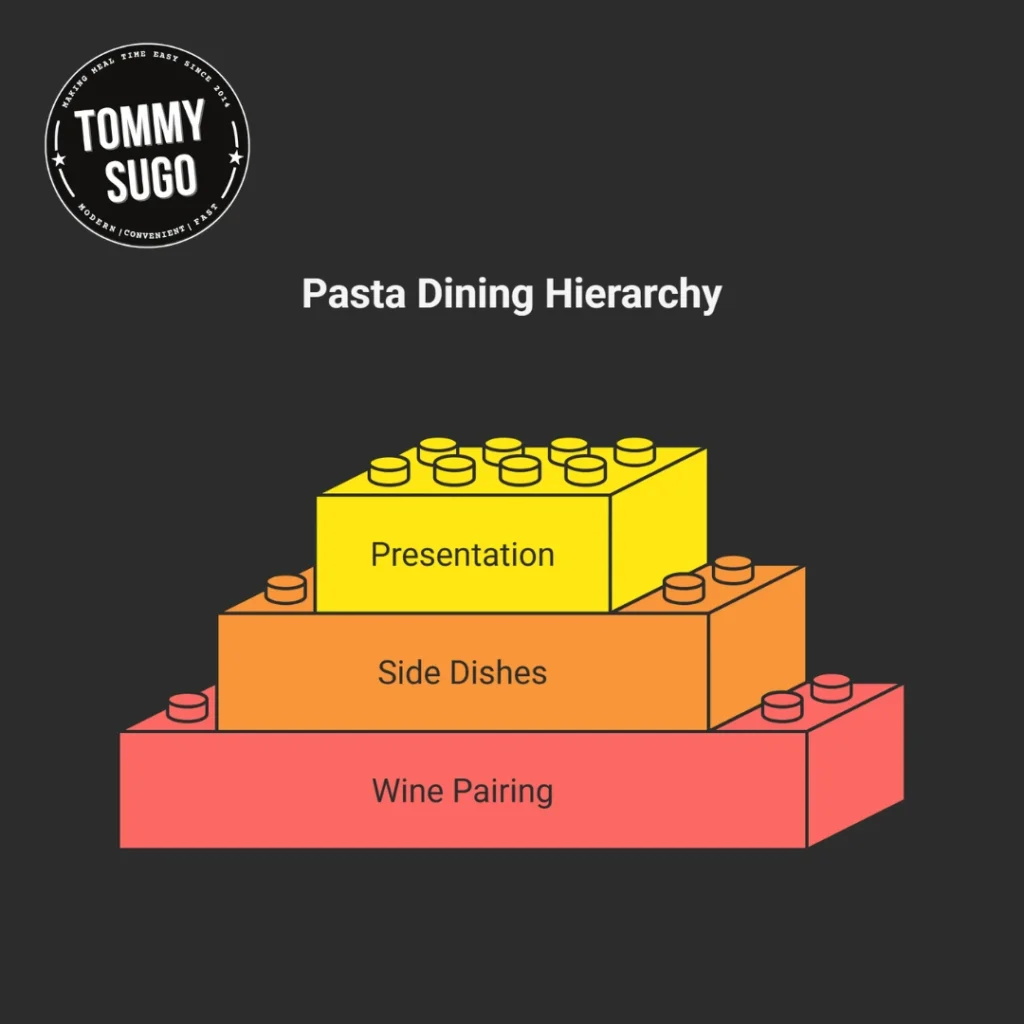
Wine pairing basics for pasta
Match body and acidity: tomato sauces suit medium-bodied red wines, cream sauces pair with fuller whites, and seafood pasta is complemented by crisp, citrus-driven whites. Perth wineries offer great local pairings.
Side dishes and salads
Simple green salads with lemon and olive oil refresh the palate. Grilled vegetables and crusty bread complement richer Gourmet Pasta dishes and round out meals.
Presentation tips for home chefs
Serve pasta on pre-warmed plates, finish with fresh herbs and a light grating of cheese. Use tongs to present neat nests for long pasta and spoon-rake for robust shapes to enhance visual appeal.
Preservation and leftovers: reheating and transforming dishes
Storing cooked pasta and sauces
Store pasta and sauce separately where possible. Refrigerate within two hours; sauces often keep longer than cooked pasta. Use airtight containers and consume within three days for quality.
Reheating without losing texture
Reheat gently on the stovetop with a splash of water or stock to revive the sauce and restore moisture. Avoid microwaving for long periods, which can cause drying or uneven heating in a Gourmet Pasta.
Transforming leftovers into new dishes
Leftover pasta can become a frittata, baked pasta or served cold as a pasta salad. Add fresh herbs and a squeeze of lemon to refresh flavours before serving again.
Local resources: where to buy artisan pasta and ingredients in Perth
Specialty stores and markets
Perth offers farmers’ markets and independent delis stocked with artisan pasta, cheeses and cured meats. Seek sellers who prioritise freshness and regional sourcing to support Gourmet Pasta’s success.
Butchers and seafood suppliers
Develop relationships with local butchers and fishmongers to access seasonal cuts and sustainable seafood. Fresh protein elevates sauces and lets you recreate restaurant-quality dishes at home.
Online ordering and delivery
For convenience, many Perth suppliers provide online ordering and same-day delivery for produce and artisan staples. This is useful for planning Gourmet Pasta for special occasions.
Sustainability and waste reduction when cooking pasta
Reduce food waste with smart planning
Use vegetable trimmings for stock, freeze leftover sauce in meal-sized portions, and repurpose stale bread as crumbs. Small practices reduce waste and conserve resources in home kitchens.
Choose sustainable seafood and meats
Select products with sustainable certifications or from trusted local suppliers. Sustainable choices preserve local ecosystems and support long-term ingredient availability for Gourmet Pasta.
Eco-friendly pantry habits
Buy staples in bulk where possible to reduce packaging and store properly to extend shelf life. Local bulk stores often stock quality flours and dried artisan pasta suitable for Gourmet Pasta recipes.
Conclusion
Gourmet Pasta is accessible to Perth cooks who prioritise quality ingredients, careful technique and seasonal flavour. Whether you are building a quick weeknight spaghetti alla carbonara, a pesto pasta with local basil or a slow-cooked ragù with rigatoni, the principles remain the same: balance, texture and freshness. Use market finds, refine basic sauces and practise simple techniques to make every meal a celebration of pasta. For locally sourced artisan pasta, sauces and inspiration, explore the offerings and resources at Tommy Sugo.
Frequently asked questions
What defines gourmet pasta?
Gourmet Pasta emphasises high-quality ingredients, precise cooking and balanced flavours. It often uses artisan pasta, fresh produce, and carefully executed sauces to elevate the dish.
How can I tell if pasta is al dente?
Al dente will feel firm to the bite with slight resistance in the centre. Test a strand a minute or two before the packet time and check texture visually and by tasting.
Is fresh pasta better than dried for gourmet dishes?
Fresh pasta offers a tender texture that pairs well with delicate sauces. Dried pasta made with bronze dies provides a robust bite and clings better to hearty sauces. Use both depending on the recipe.
How do I prevent my sauce from splitting?
Avoid boiling cream and cheese; finish off-heat and incorporate pasta water slowly to emulsify. Gentle temperature control preserves a smooth Gourmet Pasta sauce.
Can I make vegan gourmet pasta that tastes rich?
Yes. Use blended cashews, silken tofu, or coconut cream, combined with umami-rich ingredients like miso and nutritional yeast, for depth in vegan Gourmet Pasta.
What is the best way to reheat leftover pasta?
Reheat gently on the stovetop with a splash of water, stock or cream to restore moisture. Short, controlled heating preserves texture better than prolonged microwave use.
How should I pair wine with pasta dishes?
Match the sauce’s intensity and acidity: light seafood dishes with crisp whites, tomato-based sauces with medium-bodied reds, and creamy sauces with full-bodied whites.
Are there quick gourmet pasta recipes for weeknights?
Yes, simple recipes like garlic, chilli and olive oil spaghetti or pesto pasta with cherry tomatoes are fast, flavourful and qualify as Gourmet Pasta when made with quality ingredients.
How much salt should I add to pasta water?
Pasta water should taste like the sea, salty but not overwhelming. A general rule is 10g salt per litre, adjusted for dietary needs and preference.
Where can I find artisan pasta in Perth?
Perth’s farmers’ markets, specialty delis and some online local suppliers stock artisan pasta and specialty ingredients. Visit local markets for seasonal produce and fresh pasta options.