Introduction
Italian desserts are known for their creamy textures, rich coffee flavours, crisp pastry and simple seasonal ingredients. Many classic favourites can also be adapted for a plant-based diet by replacing dairy, eggs and gelatin with suitable vegan ingredients.
In this guide, we’ll explore 8 vegan Italian desserts, including panna cotta, tiramisu, cannoli, crostata, affogato and biscotti. You’ll find practical ingredient swaps, preparation tips and easy ways to enjoy classic Italian flavours without dairy or eggs.
Whether you follow a vegan diet or simply want to try more plant-based desserts, these recipes offer a delicious way to enjoy Italian-inspired sweets at home.
Key Takeaways
- Discover 8 vegan Italian desserts inspired by classic Italian favourites.
- Learn how plant-based ingredients can replace dairy, eggs and gelatine in popular Italian desserts.
- Find practical ingredient ideas and preparation tips for making vegan Italian desserts at home.
Vegan Panna Cotta
A Creamy Italian Classic Without Gelatin
Panna cotta is a classic Italian dessert traditionally made with sweetened cream and gelatin. For a vegan version, agar-agar provides the setting power, while plant-based cream or full-fat coconut milk creates a smooth, rich texture.
Fresh berries add natural sweetness and a bright contrast to the creamy base. Seasonal fruit such as strawberries, blueberries or mango can also be used for serving.
What You’ll Need
- 400ml full-fat coconut milk (the canned stuff)
- 1 teaspoon vanilla extract
- 1 teaspoon agar agar powder
- 3 tablespoons caster sugar
- Fresh berries—whatever’s in season
How to Make Vegan Panna Cotta
- Pour the full-fat coconut milk into a saucepan and add the vanilla extract, agar agar and caster sugar.
- Whisk the mixture thoroughly to prevent the agar agar from clumping. Bring it to a gentle boil over medium heat, stirring continuously, and cook for about 2 to 3 minutes to activate the agar agar.
- Remove the saucepan from the heat and pour the mixture into small ramekins or serving glasses.
- Allow the panna cotta to cool at room temperature before refrigerating for at least 3 hours, or until firmly set.
- Top with fresh berries such as strawberries or blueberries just before serving.
Vegan Amaretti
A Classic Italian Almond Biscuit
Amaretti are traditional Italian almond biscuits known for their crisp, lightly cracked exterior and soft, chewy centre. Traditional versions are commonly made with almonds, sugar and egg whites, but aquafaba provides a practical plant-based alternative for a vegan version. :contentReference[oaicite:1]{index=1}
These naturally gluten-free vegan almond cookies have a rich almond flavour and pair especially well with espresso, coffee or tea. They can also be served alongside other vegan Italian desserts such as panna cotta or affogato.
What You’ll Need
- 1 cup (100g) finely ground almond flour
- ⅓ cup (65g) caster sugar
- ½ cup (60g) icing sugar, plus extra for coating
- ½ teaspoon baking powder
- 2 tablespoons aquafaba (chickpea liquid)
- ½ teaspoon almond extract
- ½ teaspoon vanilla extract
- Pinch of salt
How to Make Vegan Amaretti
- Preheat your oven to 170°C and line a baking tray with baking paper.
- In a large bowl, combine the almond flour, caster sugar, icing sugar, baking powder and a small pinch of salt.
- Add the aquafaba to a clean bowl and whisk with an electric hand mixer until it becomes pale and foamy with a firm whipped texture.
- Gently fold the whipped aquafaba into the dry ingredients. Add the almond extract and vanilla extract, then continue folding until a soft, slightly sticky dough forms.
- Place extra icing sugar in a shallow bowl or plate. Divide the dough into approximately 12 equal portions and gently roll each portion into a small ball.
- Roll each dough ball in icing sugar until well coated. Place them on the prepared baking tray, leaving space between each cookie.
- For a more defined shape, chill the coated dough balls for 30 to 45 minutes before baking.
- Bake for approximately 15 minutes, or until the amaretti begin to develop light cracks on the surface and the edges are just starting to turn golden.
- Remove from the oven and allow the cookies to cool on the tray for about 10 to 15 minutes. They will firm up as they cool while retaining a pleasantly chewy centre.
Tips for Better Vegan Amaretti
Use a fine almond flour rather than coarse almond meal for a smoother texture and better-shaped cookies. The amount of moisture in aquafaba can vary between brands, so add it carefully and aim for a soft dough that holds its shape rather than a runny mixture.
For a stronger traditional almond flavour, use a little extra almond extract. Keep the cookies slightly underbaked rather than allowing them to become deeply browned if you want a softer centre.
How to Serve Vegan Amaretti
Serve these vegan Italian almond biscuits with espresso, coffee or tea. They also make a simple accompaniment to creamy desserts such as vegan panna cotta and affogato.
Vegan Semifreddo
A Frozen Italian Dessert with a Soft, Creamy Texture
Semifreddo is a classic Italian frozen dessert with a texture that sits between ice cream and mousse. A vegan version can use plant-based cream and other dairy-free ingredients to create a rich yet airy dessert.
Serve it with berries, dark chocolate or toasted nuts for a simple dessert that can be prepared ahead of time.
What You’ll Need
- 250ml vegan whipping cream, well chilled
- 200g vegan mascarpone or thick dairy-free cream cheese
- 80g icing sugar
- 1 teaspoon vanilla extract
- 100g roasted hazelnuts, finely chopped
- 2 tablespoons maple syrup
- 1 tablespoon dairy-free dark chocolate, finely grated
- Pinch of sea salt
How to Make Vegan Semifreddo
- Line a 1kg loaf tin with baking paper, leaving a little overhang on the sides. This will make the semifreddo easier to remove later.
- Place the chilled vegan whipping cream in a large mixing bowl. Whip with an electric mixer until soft to medium peaks form. Do not over-whip, as the cream needs to remain smooth and airy.
- In a separate bowl, beat the vegan mascarpone, icing sugar, vanilla extract, maple syrup and a small pinch of sea salt until smooth and creamy.
- Gently fold the whipped vegan cream into the mascarpone mixture in two or three additions. Fold slowly to keep as much air in the mixture as possible.
- Reserve about 2 tablespoons of the chopped hazelnuts and a little grated dark chocolate for the topping. Fold the remaining hazelnuts and chocolate into the semifreddo mixture.
- Spoon the mixture into the lined loaf tin and smooth the surface with a spatula. Cover the top tightly with baking paper or food-safe cling film.
- Place the tin in the freezer for at least 6 hours, preferably overnight, until the semifreddo is completely set.
- Remove the semifreddo from the freezer and leave it at room temperature for around 10 to 15 minutes before serving. This allows the texture to soften slightly while remaining firm and sliceable.
- Lift the semifreddo from the tin using the baking paper overhang. Scatter the remaining toasted hazelnuts and grated dark chocolate over the top, then slice with a sharp knife and serve immediately.
Tips for the Best Vegan Semifreddo
Use a vegan whipping cream that is designed to hold its shape when whipped. Chilling the cream, bowl and beaters beforehand can also help create a lighter texture.
Do not skip the resting time before serving. Semifreddo should be firm enough to slice but soft enough to have a creamy, mousse-like texture. If it is difficult to cut straight from the freezer, give it a few more minutes at room temperature.
For extra Italian-inspired flavour, replace some of the hazelnuts with chopped pistachios or add a small amount of espresso powder to the mascarpone mixture.
How to Serve Vegan Semifreddo
Serve thin slices with fresh berries, roasted hazelnuts, grated dark chocolate or a light drizzle of maple syrup. It is an excellent make-ahead dessert for dinner parties because it can be prepared the day before and kept frozen until needed.

Vegan Cannoli
A Plant-Based Take on a Sicilian Classic
Cannoli are a famous Sicilian pastry made with crisp shells and a sweet ricotta-style filling. Traditional cannoli shells are commonly fried, while this recipe uses a baked vegan adaptation for a simpler home preparation.
The filling can be made with blended cashews or another thick plant-based ricotta alternative, combined with lemon, vanilla and a little maple syrup. Vegan chocolate chips can be added for extra texture.
What You’ll Need
- 1 ½ cups all-purpose flour
- 2 tablespoons cold vegan butter, cubed
- 1 tablespoon icing sugar
- 2 tablespoons Marsala wine (optional)
- 3-4 tablespoons cold water
How to Make the Vegan Cannoli Shells
- Add the flour, vegan butter and icing sugar to a food processor and pulse until the mixture resembles fine crumbs.
- Add the Marsala wine, if using, followed by the cold water one tablespoon at a time. Continue mixing until a firm dough forms.
- Shape the dough into a ball, wrap it and refrigerate for 30 minutes.
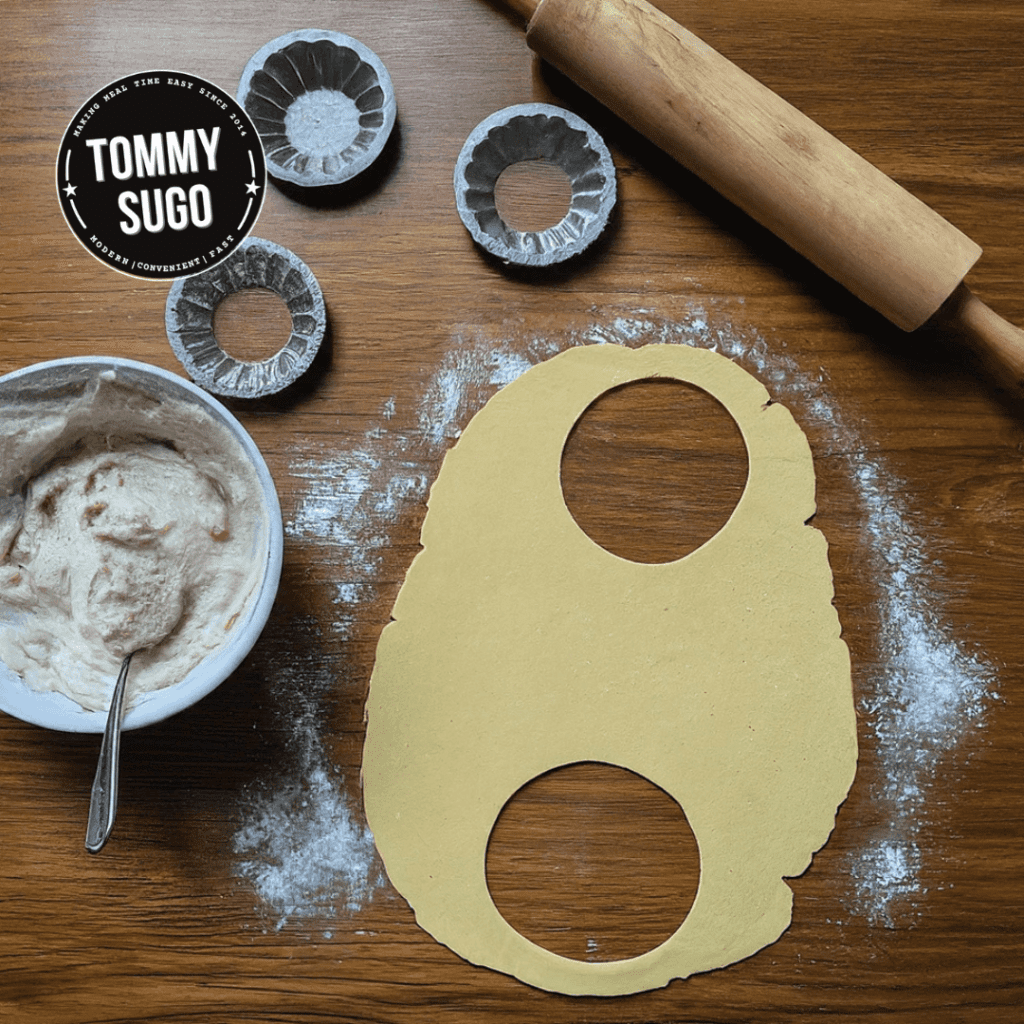
- Roll the chilled dough very thin and cut it into circles. Wrap each circle around a cannoli mould and seal the edge with a small amount of plant-based milk or water.
- Place the filled moulds on a lined baking tray and bake at 180°C for approximately 12 to 15 minutes, or until the shells are crisp and lightly golden.
- Allow the shells to cool completely before carefully removing them from the moulds.
- Because this is a baked vegan adaptation rather than a traditional fried cannoli shell, its texture will differ slightly from classic Sicilian cannoli.
A Dreamy Vegan Ricotta Filling
Cashews work wonders here, making a filling that’s creamy and close to the real thing.
What You’ll Need
- 1 cup raw cashews, soaked
- 1 tablespoon lemon juice
- 2 tablespoons maple syrup
- 1 teaspoon vanilla extract
- Vegan chocolate chips (optional)
- Powdered sugar for dusting
How to Make the Vegan Ricotta Filling
- Drain the soaked cashews and add them to a high-speed blender with the lemon juice, maple syrup and vanilla extract.
- Blend until the mixture becomes smooth and creamy. Scrape down the sides as needed and continue blending until no large pieces of cashew remain.
- Transfer the filling to a piping bag and refrigerate until firm enough to pipe.
- Fill the completely cooled cannoli shells just before serving, then finish with vegan chocolate chips and a light dusting of powdered sugar.
Vegan Tiramisu
A Coffee-Rich Italian Classic Without Dairy or Eggs
Tiramisu is one of Italy’s most recognisable desserts, traditionally made with coffee-soaked ladyfingers, mascarpone, cocoa and sometimes eggs. A vegan version keeps the familiar combination of coffee, cocoa and creamy layers while replacing dairy-based mascarpone and traditional biscuits with plant-based alternatives.
For a creamy filling, vegan mascarpone, thick dairy-free cream cheese or blended cashews can be combined with plant-based cream. Strong espresso adds the characteristic coffee flavour, while unsweetened cocoa powder provides the classic finish.
What You’ll Need
- 200g vegan ladyfingers or suitable egg-free biscuits
- 250g vegan mascarpone or thick dairy-free cream cheese
- 200ml vegan whipping cream, well chilled
- 60g icing sugar
- 1 teaspoon vanilla extract
- 200ml strong espresso or coffee, cooled
- 1 tablespoon coffee liqueur, optional
- 2 tablespoons unsweetened cocoa powder
- 1 teaspoon maple syrup, optional
How to Make Vegan Tiramisu
- Prepare the espresso or strong coffee and allow it to cool completely. Stir in the coffee liqueur and maple syrup if using.
- In a large bowl, whip the chilled vegan cream until soft to medium peaks form.
- In a separate bowl, beat the vegan mascarpone, icing sugar and vanilla extract until smooth and creamy.
- Gently fold the whipped vegan cream into the mascarpone mixture until evenly combined. Avoid overmixing so the filling remains light and airy.
- Quickly dip each vegan ladyfinger or egg-free biscuit into the cooled coffee. Do not soak them for too long, as they should absorb the coffee without becoming soggy.
- Arrange a layer of the coffee-dipped biscuits across the base of a serving dish.
- Spread half of the vegan mascarpone mixture evenly over the biscuits.
- Add another layer of coffee-dipped biscuits, followed by the remaining creamy filling.
- Smooth the top and cover the dish. Refrigerate for at least 4 to 6 hours, preferably overnight, to allow the layers to set and the coffee flavour to develop.
- Just before serving, dust the top generously with unsweetened cocoa powder.
Tips for the Best Vegan Tiramisu
Use strong espresso or concentrated coffee for a more pronounced flavour without making the dessert overly wet. The coffee should be completely cool before dipping the biscuits.
Choose a vegan mascarpone or dairy-free cream cheese with a thick consistency so the filling holds its shape between the layers. If the cream is too soft, chilling the finished tiramisu for longer can help it firm up.
Dip the biscuits quickly rather than leaving them submerged in coffee. This helps maintain enough structure for clean layers and prevents the finished dessert from becoming watery.
For the best flavour and texture, prepare the tiramisu several hours before serving. Overnight chilling gives the biscuits time to soften slightly while allowing the coffee, cocoa and creamy filling to come together.
How to Serve Vegan Tiramisu
Dust the tiramisu with cocoa powder immediately before serving for the freshest finish. Serve it chilled and cut into portions with a clean, sharp knife or spoon.
For an extra coffee-forward dessert, pair it with a freshly brewed espresso. A small amount of grated dairy-free dark chocolate can also be added over the cocoa for additional texture and richness.
Vegan Crostata
A Rustic Italian Fruit Tart
Crostata is a rustic Italian tart traditionally made with pastry and fruit preserves or fresh seasonal fruit. A vegan version can be prepared with dairy-free pastry and a fruit filling, making it an easy dessert for using whatever fruit is in season.
What You’ll Need
- 1 sheet vegan puff pastry
- 2 cups seasonal fruit
- 2 tablespoons caster sugar
- 1 tablespoon cornstarch
- Splash of lemon juice
How I Do It
I heat the oven to 200°C, roll out the pastry, and fold the edges up a bit. I mix the fruit with sugar, cornstarch, and lemon, then spread it over the pastry—leaving the border clear. It bakes for 25-30 minutes until golden and bubbly. I love it warm, but it’s great cold too.
This vegan crostata is best served warm or at room temperature. Seasonal berries, peaches, apples or other fresh fruit can be used depending on availability.
Vegan Affogato
Espresso and Vegan Gelato
Affogato is a simple Italian dessert made by pouring hot espresso over a scoop of gelato. To make it vegan, use dairy-free gelato made with plant-based ingredients such as oat, coconut or nut-based milk.
The contrast between hot espresso and cold gelato makes affogato one of the easiest vegan Italian desserts to prepare, requiring just a few ingredients and almost no cooking.
What You’ll Need
- 1 shot freshly brewed espresso
- 1-2 scoops vegan gelato
- Vegan chocolate shavings (optional)
- Vegan whipped cream (optional)
How to Make Vegan Affogato
- Place one or two scoops of vegan gelato in a small serving glass or cup.
- Pour a freshly brewed shot of hot espresso directly over the gelato.
- Add vegan chocolate shavings or dairy-free whipped cream if desired.
- Serve immediately while the espresso is hot and the gelato is beginning to melt.
Vegan Biscotti
A Crisp Italian Biscuit for Coffee
Biscotti are traditional Italian twice-baked biscuits known for their crisp texture and suitability for dunking into coffee or tea. Almonds are a classic addition, and a vegan version can be made without eggs or dairy.
The dough is shaped into a log, baked once, sliced and then baked again to achieve the characteristic crisp texture.
What You’ll Need
- 2 cups all-purpose flour
- ¾ cup caster sugar
- 1 teaspoon baking powder
- ½ cup almonds, chopped
- ½ cup almond milk
How to Make Vegan Biscotti
- Preheat the oven to 180°C and line a baking tray with baking paper.
- Combine the flour, caster sugar, baking powder and chopped almonds in a large bowl.
- Gradually add the almond milk and mix until a firm dough forms.
- Shape the dough into a long, compact log and place it on the prepared tray.
- Bake for approximately 25 minutes, or until the surface is firm and lightly golden.
- Remove from the oven and allow the log to cool slightly before slicing it into individual biscuits.
- Arrange the slices on the baking tray and bake for another 10 to 15 minutes, turning them once if needed, until they are crisp and dry.
- Allow the biscotti to cool completely before serving.
Conclusion
Vegan Italian desserts show that you do not need dairy or eggs to enjoy the flavours and textures associated with classic Italian sweets. From creamy panna cotta and coffee-rich tiramisu to crisp biscotti, rustic crostata and indulgent cannoli, there are plenty of plant-based options to explore.
The key is choosing the right vegan substitutes and understanding how each ingredient affects texture, richness and setting. Whether you are new to vegan baking or simply looking for a fresh take on Italian desserts, these recipes are a great place to start.
Looking for more plant-based Italian food in Perth? Explore Tommy Sugo’s vegan and vegetarian options for more Italian-inspired meals.
Also Read: 8 Irresistible Gluten and Dairy-Free Desserts You Need to Try
FAQs
What are the best dairy-free substitutes for Italian desserts?
Coconut milk, almond milk, oat milk and blended cashews can replace dairy in many vegan Italian desserts. These ingredients help create the creamy texture needed for desserts such as panna cotta, gelato and dairy-free creams.
How can I make vegan panna cotta without dairy?
Vegan panna cotta can be made with plant-based milk or full-fat coconut milk and a suitable setting agent such as agar agar. Coconut milk provides a rich, creamy texture while agar agar helps the dessert set without using gelatine.
What can replace mascarpone in vegan tiramisu?
Cashew cream, dairy-free cream cheese or a blend of coconut cream and other plant-based ingredients can provide a creamy alternative to mascarpone. The best option depends on the texture and flavour you want in your vegan tiramisu.
Can Italian desserts be made both vegan and gluten-free?
Yes. Many Italian desserts can be adapted to suit both vegan and gluten-free diets. Using gluten-free flour, plant-based milk, dairy-free chocolate and suitable vegan alternatives to eggs and butter can make recipes suitable for both dietary requirements.
What type of chocolate is suitable for vegan Italian desserts?
Choose dark chocolate that is specifically labelled vegan and check the ingredient list for milk solids, milk powder or other animal-derived ingredients. Vegan dark chocolate works well in desserts such as chocolate truffles, tortes, sauces and biscotti.
What are the easiest vegan Italian desserts to make at home?
Panna cotta, affogato with dairy-free gelato, chocolate truffles and simple biscotti are among the easier options. They generally require fewer complicated techniques than desserts that rely on pastry, layered creams or traditional egg-based mixtures.
How should vegan Italian desserts be stored?
Most cream-based vegan desserts should be covered and refrigerated until serving. Baked desserts such as biscotti can usually be kept in an airtight container at room temperature, while the storage time depends on the ingredients and preparation method.
Can vegan Italian desserts be frozen?
Some vegan Italian desserts freeze better than others. Biscotti, certain cakes and chocolate-based treats generally freeze well, while desserts with delicate creamy textures may change consistency after thawing. Always check the specific recipe before freezing.
Where can I find vegan dessert ingredients in Perth?
Vegan baking ingredients are available from many major supermarkets and specialty food stores across Perth. Look for plant-based milk, dairy-free chocolate, coconut cream, nuts, gluten-free flour and other vegan alternatives in the relevant grocery sections.
What can I use to create a creamy texture in vegan Italian desserts?
Full-fat coconut milk, soaked cashews, coconut cream and plant-based cream are useful for creating a rich and creamy texture in vegan Italian desserts. The best option depends on the recipe, with coconut cream working well for panna cotta and blended cashews providing a thick texture for desserts such as tiramisu.